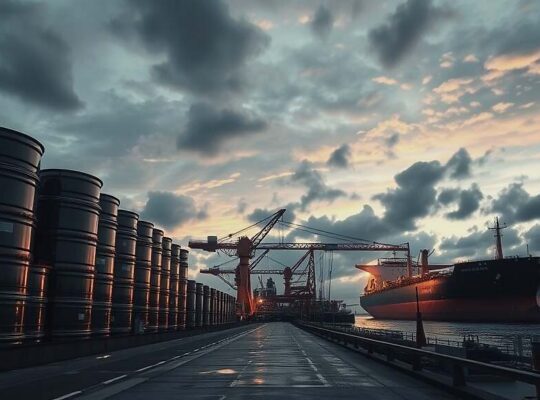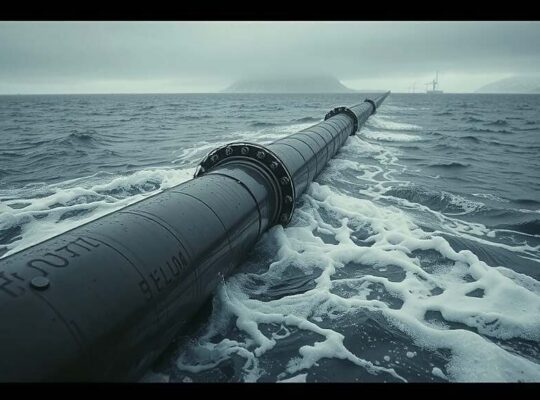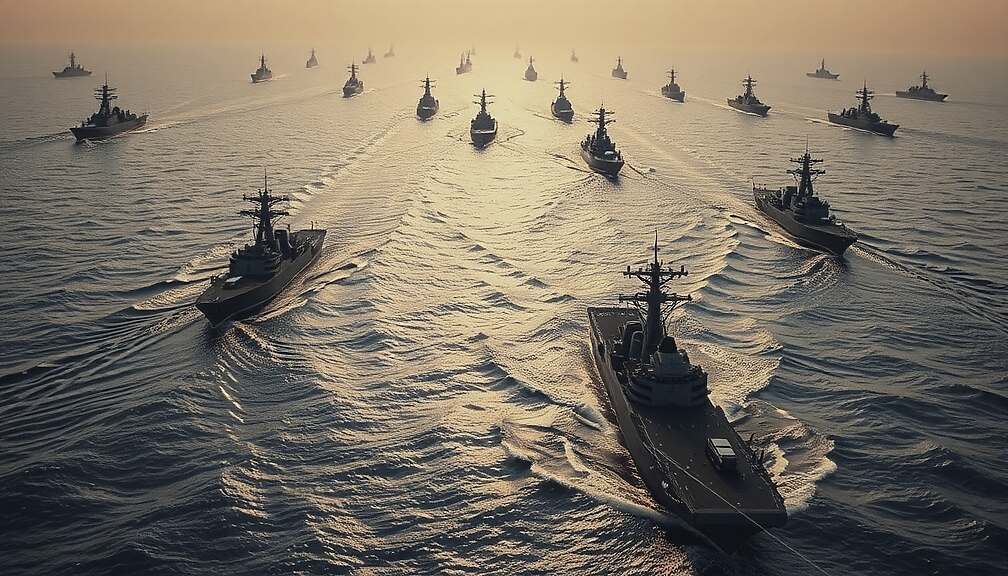
The US Department of Defense reported on Tuesday that since the beginning of the blockade targeting Iranian ports and ships in April, US forces have diverted 88 commercial vessels, according to their own figures. Furthermore, the military stated that it has “deactivated” four ships to ensure “full compliance” with the blockade. This ongoing blockade, coupled with the de facto Iranian blockage of the Strait of Hormuz, has interrupted critical shipping lanes and contributed to rising global energy prices.
Amid escalating regional tensions, former US President Donald Trump recently claimed he called off a major attack on Iran following pleas from Gulf states. He asserted that “serious negotiations” are currently underway between the US and Iran, and that multiple Gulf nations believe these discussions could lead to a peace agreement acceptable to all parties.
However, the situation remains volatile. Iranian Army Spokesman Brigadier General Mohammad Akraminia threatened on Tuesday to open new operational fronts should the United States resume its attacks. He forcefully argued that Iran cannot be “defeated” and stressed that the only viable path for the “enemy” is to “respect the Iranian nation and safeguard the legitimate rights of Iran”. Throughout the conflict, Iran has repeatedly issued threats to expand its attacks-not only on vessels in and around the Strait of Hormuz but also on Israel and US allies in the Persian Gulf-with the stated objective of disrupting shipping through the Red Sea.