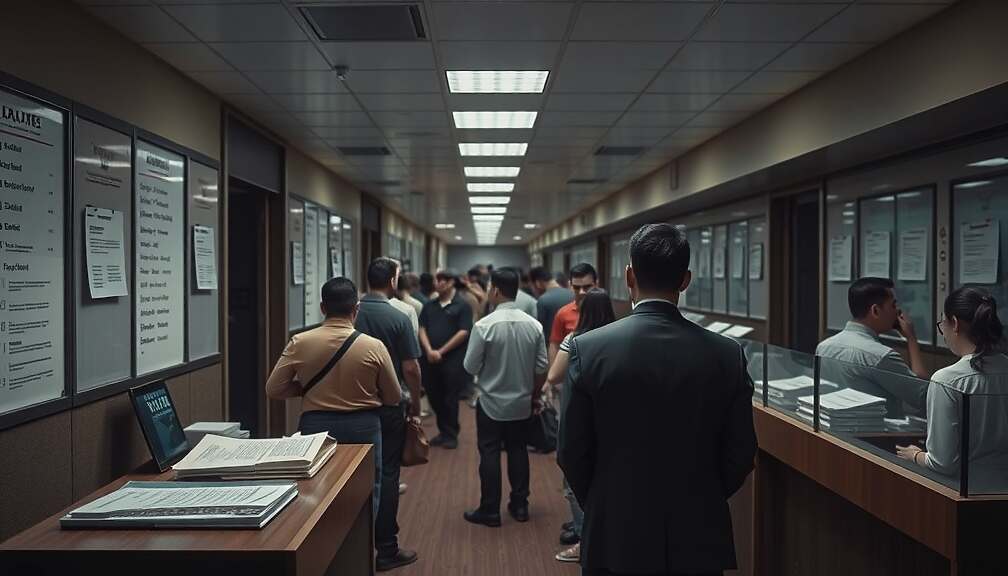
The Turkish Community in Germany (TGD) has sharply criticized the months-long delays in visa processing at German diplomatic missions in Turkey, demanding immediate solutions to what the organization deems an unacceptable practice. According to Gökay Sofuoglu, the TGD’s federal chairman, these lengthy procedures are directly affecting people’s personal lives and destinies. German foreign representatives in Turkey report that waiting times for Schengen visas can now stretch up to eleven months.
Sofuoglu explained that this administrative burden prevents people from attending the funerals of their own relatives, missing weddings, or other crucial family events. The extended waits and stringent bureaucratic hurdles make it difficult for families to visit parents, grandparents, or children from Turkey, frequently leading to months or even years of separation.
In addition to the personal toll, the delays are also affecting cultural life, forcing artists to cancel concerts and preventing them from obtaining necessary visas. Moreover, scientists and entrepreneurs of Turkish background often find it difficult to execute projects with partners in Turkey. TGD’s long-term demand is the abolition of visa requirements for Turkish citizens, but until that happens, Sofuoglu insists that a fair, transparent, and quick visa system must be established.
Filiz Polat, a parliamentary executive and migration expert from the Green Party’s parliamentary group, echoed these concerns. Polat also noted that many families have experienced failure in even scheduling essential visits-such as those for weddings, funerals, or illness-due to months-long waiting periods. Personally, she has experienced this situation within her own family. For her, it is understandable that many applicants no longer view this state solely as bureaucracy, but as a humiliation.
Polat further emphasized that the problem is “no longer just bureaucratic-it is political.” She argued that while Germany actively seeks skilled workers, students, and investors globally, it continues to treat many applicants, particularly their families, as primary security or migration risks. Compounding these issues are staff shortages and the overload facing embassies and consulates.