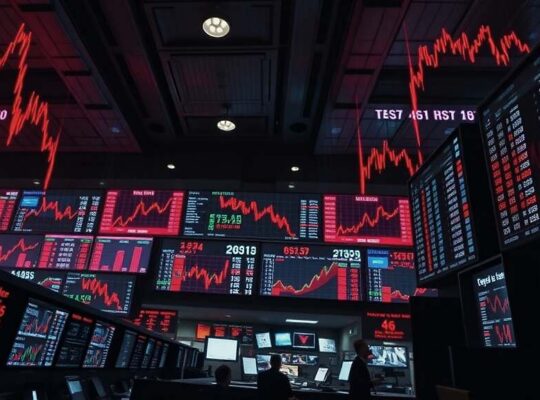
The German DAX started the day with losses on Tuesday. Around 9:30 AM, the leading index was calculated at approximately 26,195 points, which marked a 0.2 percent decline from the previous day’s closing level. Among the top performers were Merck, RWE, and Infineon, while SAP, Rheinmetall, and MTU ranked among the bottom.
Thomas Altmann of QC Partners noted that September traditionally marks the start of the month. Historically, over the past 30 years, September is one of only three months where the DAX balance has been negative. While the performance of August 2026-which ended positively despite an average negative balance-suggests this trend need not signal doom, Altmann pointed out that recurring negative September results have become noticeable in recent times. The DAX has only registered a positive performance in September once in the last six years.
Altmann further highlighted that the renewed escalation between the US and Iran continues to drive up oil prices, describing the current situation as a dangerous escalation. As long as the cycle of attacks and retaliation persists, upward pressure on crude oil prices is expected to continue, which in turn feeds inflationary concerns and interest rates.
New records have been reported in government bond yields. The analyst specifically pointed to the increase in five-year maturities, noting that yields on German government bonds are now as high as they were in 2008. He added that while these high yields benefit investors, they pose an increasingly significant burden on the states. Currently, some yields exceed those seen during the Eurozone crisis, placing both national governments and the capital market before a serious test.
The European common currency was slightly weaker on Tuesday morning. The Euro traded at $1.1602, meaning the dollar was exchangeable for 0.8619 Euros. Meanwhile, oil prices rose. At approximately 9 AM Central European Time, a barrel of Brent crude from the North Sea cost $91.78, representing a 1.4 percent increase from the close of the previous trading day.