According to data released by the Federal Statistical Office (Destatis) on Monday, overall passenger traffic in Germany via public rail and bus services increased by approximately two percent during the first half of 2026 compared to the same period last year. However, this overall growth was maintained despite a two percent decline registered in long-distance transport.
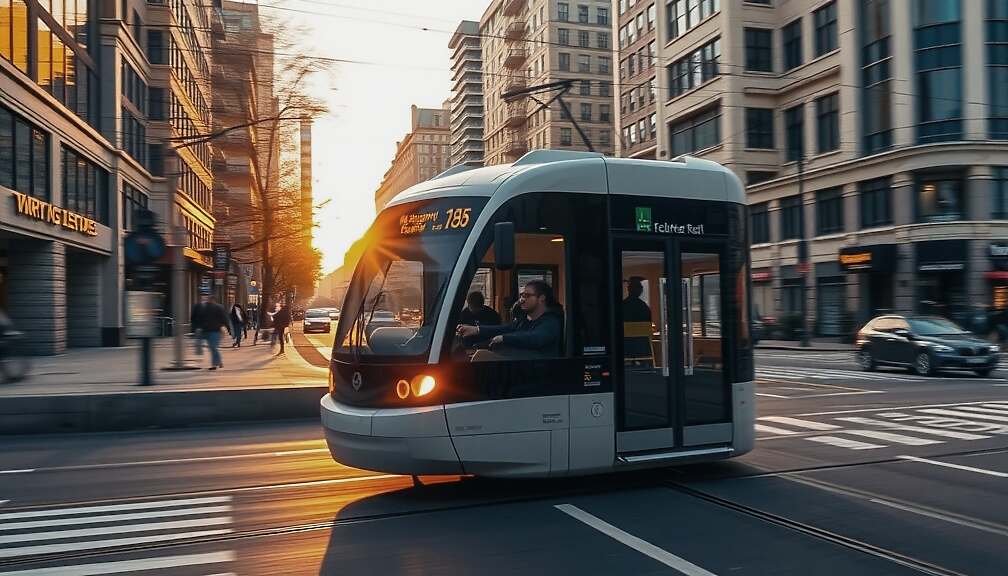
In local and regional public transport (ÖPNV), which accounts for 99 percent of all line transport, ridership rose to a total of 5.7 billion passengers in the first half of 2026. This slight uplift in local traffic occurred three years after the introduction of the Deutschland-Ticket. For context, increases were six percent in the first half of 2024 and one percent in the first half of 2025. Specifically, local rail saw a one percent increase, totaling 1.4 billion passengers, while streetcar usage also rose by one percent to roughly two billion passengers. Local bus ridership contributed to the overall growth, increasing by a modest two percent to 2.7 billion users.
In contrast, long-distance travel saw a contraction, with ridership falling to 75 million passengers during the first half of 2026. The long-distance railway segment experienced a three percent drop, with 69 million passengers traveling this period, which is attributed by rail operators to weather-related disruptions in the first quarter of 2026. Nevertheless, long-distance travel via buses performed robustly, registering a significant ten percent growth, attracting approximately 5.4 million passengers.