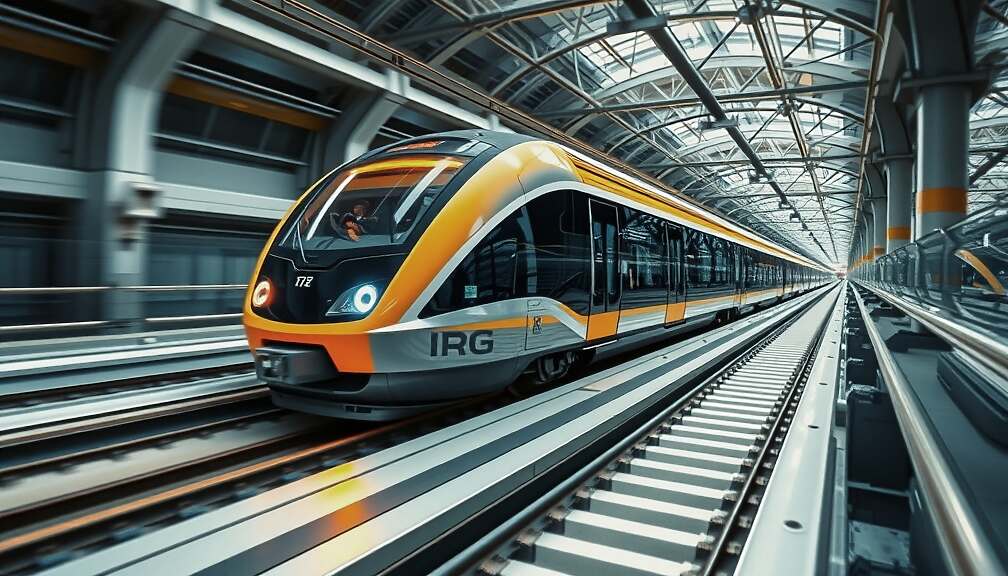
Martin Sion, CEO of TGV manufacturer Alstom, stated that the railway system is currently undergoing its fourth revolution since its invention, its electrification, and the introduction of high-speed trains-a revolution driven by digitalization.Speaking to the “Frankfurter Allgemeine Zeitung”, he said this digital transformation is set to usher the train into a “golden age.” Sion made this statement while in Berlin, where the world’s largest transport technology fair, Innotrans, was starting that Tuesday. At the expo, Alstom plans to showcase a train capable of being remotely controlled and driving into the depot for maintenance without a driver on board.
Sion emphasized that digitalization allows for a significantly higher frequency of train operations on existing infrastructure, making the rail network more reliable. He described trains as truly “high-performance technology.” Financially, Alstom is investing approximately 750 million euros in research and development, against overall revenue exceeding 19 billion euros-a trend paralleling the growth of the entire industry. Sion noted that the rail sector is growing by over five percent annually. He pointed to several factors fueling this expansion, including decarbonization, the global shift toward transport modes that are less dependent on oil, and the need to manage severely overcrowded megacities worldwide.
Returning from India, Sion expressed astonishment at the level of enthusiasm for rail travel everywhere he went. He added that Europe holds an “industrial leading position” in the train industry. However, he cautioned that the industry cannot remain “naive” regarding competitors from other regions, specifically China. When commenting on public tenders for trains and signaling technology, the Alstom chief demanded fair competitive conditions for those competing against entities benefiting from subsidies or other state aid. Furthermore, he stressed the urgent need for increased standardization across European rail transport.
While he noted that aircraft are a fully standardized product, Sion criticized the varied certification and approval procedures for trains across different European nations. He lamented that the situation is particularly bad with locomotives. In a stark example, he explained that while they have a locomotive that can run in 17 countries, adding an additional country requires installing a supplementary electronics module and incurring millions of euros in new certification fees. Sion observed that “extremely national approaches” still dominate the rail sector. He also highlighted the strategic importance of the railways, noting that the smooth flow of train traffic across Europe is crucial in a state of defense.