Political scientists Klaus Hurrelmann and Andrea Römmele have issued a strong warning to the Union and SPD, cautioning them against basing their policies too heavily on the interests of older generations. While it may be strategically rational in the short term to prioritize the interests of older voters, given their numerical strength, the professors argue that this approach threatens to sever the connection with the growing youth population in the long run.
In a guest contribution to the “Frankfurter Allgemeine Sonntagszeitung” (FAS), Römmele and Hurrelmann highlighted what they term the “demographic trap of German party democracy”: what secures majorities today could cost parties their future.
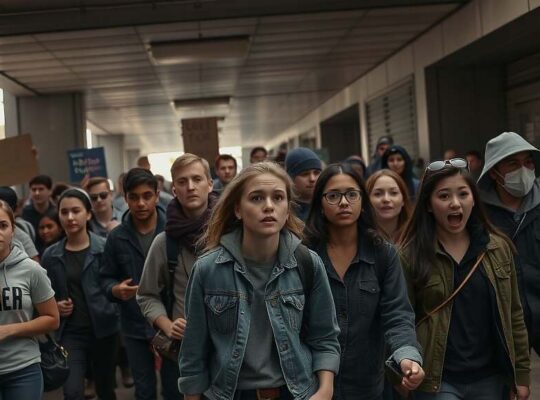
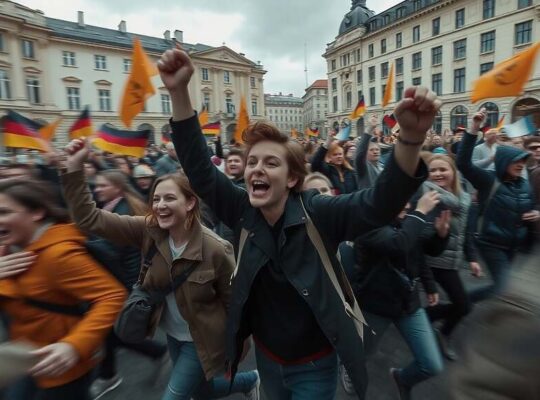
They point to the youth protests in several European nations and recent election outcomes as critical warning signals. According to the researchers, parties like the Alternative for Germany (AfD) and The Left have successfully captured significant parts of the younger generation. These parties are effectively using digital communication to convey clear messages promising fundamental changes and better living conditions.
The scholars emphasize that young people are not generally turning away from politics out of disappointment. Instead, they are actively looking for political alternatives that address their specific concerns. However, this generation, which feels caught in a “crisis of the normal state,” cannot be placated by general promises of progress; they demand concrete answers to existential questions about their future.
For the CDU, CSU, and SPD to retain their political leadership, they must, according to Hurrelmann and Römmele, implement fundamental changes-and they must do it now. The established parties need to shift their priorities and use the long-term life prospects of young people as the standard for their policy-making. Their programs should center on: affordable housing, realistic pathways for accumulating wealth, futures-proof education and training, fair distribution of pension burdens, climate protection, and the responsible management of artificial intelligence.
Furthermore, the researchers stress the necessity for youth to gain actual influence within the parties. Young members should not merely be deployed to place posters or sit as ceremonial representatives on stages. They must have a real say in where policy programs are drafted, candidates are selected, and political compromises are reached. The ultimate challenge facing the established parties, the FAS piece concludes, is internal: those who have held power for decades must be willing to relinquish a portion of that authority.