AfD Leadership Set to Remain Stable
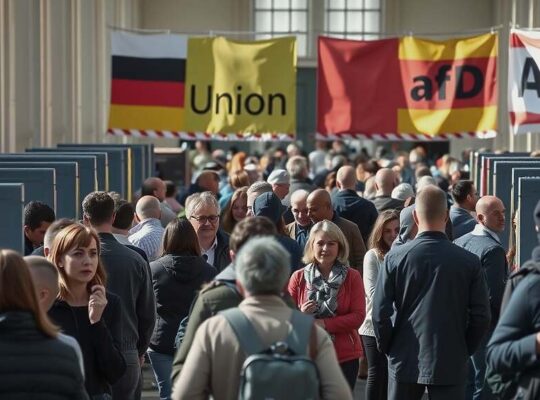
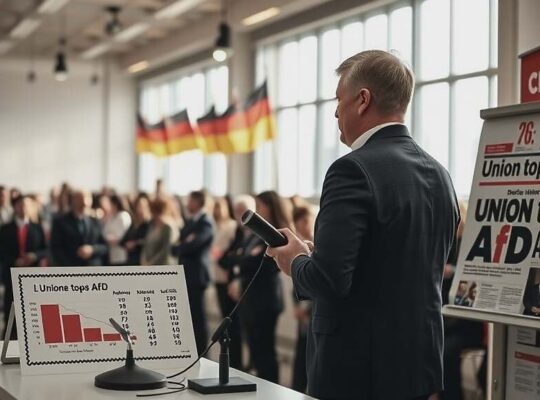
The Alternative für Deutschland (AfD) faces its upcoming national party convention in Erfurt on July 4th and 5th with a confirmed leadership pairing, signaling a strategy of stability and continuity within the increasingly influential, albeit controversial, political force.. Co-leader Tino Chrupalla has announced his intention to seek re-election alongside Alice Weidel, effectively securing their established dual leadership for at least another year.
Chrupalla, in comments to “Welt am Sonntag”, emphasized the perceived successes of the current leadership structure, claiming that Weidel and himself have “further professionalized and made the party even more successful”. This assertion, while a standard element of pre-convention messaging, arrives at a crucial juncture for the AfD, which has seen its support fluctuate amid persistent debate surrounding its ideological direction and internal power dynamics.
The decision to maintain the existing leadership team indicates a deliberate effort to consolidate the party’s gains and present a united front. While the dual leadership model – a somewhat unusual arrangement in German politics – has been lauded by some as facilitating broader appeal and balancing differing factions within the party, it has also drawn criticism regarding potential dilutions of responsibility and decision-making bottlenecks.
The convention itself will see the election of the federal executive committee, a body crucial to the day-to-day operations and strategic direction of the AfD. The re-election, or potential replacement, of these committee members will be carefully watched by observers seeking insight into the evolving balance of power within the party and its potential future trajectory. Notably, whispers of internal dissent and challenges to the established order have surfaced in recent months, although Chrupalla’s confident pronouncements suggest that a significant challenge to Weidel and himself is unlikely.
Analysts suggest that the focus on “professionalization” and continued “success” is intended to counter criticism regarding the party’s often-combative public image and its association with far-right extremist elements. However, the fundamental ideological positions underpinning the AfD, particularly its stance on immigration, national identity and European integration, remain firmly rooted in a discourse increasingly polarizing the German political landscape. The convention in Erfurt, therefore, is not expected to herald a dramatic shift in policy, but rather a reaffirmation of the current path, with an emphasis on maintaining a perceived trajectory of electoral success.