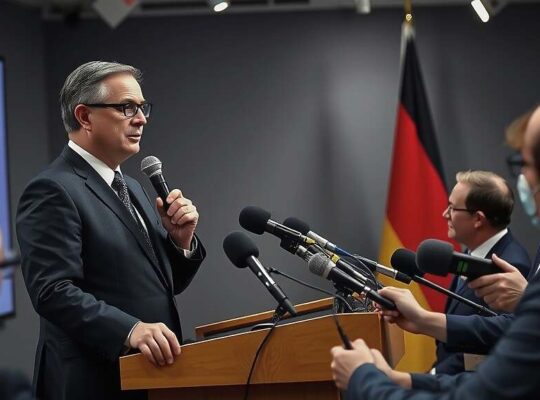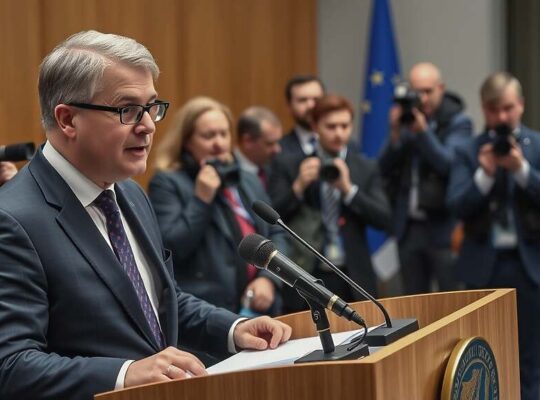
The escalating geopolitical tensions are forcing a critical re-evaluation of Germany’s defense industrial base, with leading arms manufacturer MBDA publicly urging the government to bolster stockpiles of essential materials. Thomas Gottschild, CEO of MBDA, in an interview with “Der Tagesspiegel”, expressed urgent concerns regarding the nation’s preparedness for potential conflict scenarios.
Currently, MBDA relies heavily on global supply chains to meet production demands. However, Gottschild warned that a large-scale armed conflict would likely trigger a “twentyfold increase” in the required volume of explosives and necessitate confronting severely disrupted supply lines – contingencies for which Germany, he argues, is inadequately prepared. This dependence on international procurement presents a significant vulnerability, potentially crippling the ability to rapidly produce and deploy essential weaponry when needed.
The issue was reportedly a key topic of discussion during a recent arms industry summit attended by Defense Minister Boris Pistorius (SPD) and Economy Minister Katrin Reiche (CDU). While both ministers reportedly committed to addressing the problem, critics are already questioning the concrete measures to be implemented and the timelines for their execution.
The call for increased stockpiles highlights an underlying tension within the German government – a desire to promote economic efficiency through global procurement versus a growing recognition of the strategic imperative for national self-sufficiency in defense materials. The reliance on foreign sourcing also opens the question of potential political leverage; a disruption of supply from key partner nations could severely hamper Germany’s capacity to respond to international security crises.
The MBDA’s intervention adds pressure on the government to move beyond rhetorical commitments and enact tangible policy changes, including significant investment in domestic production capacity and the strategic accumulation of critical resources. Whether the promised action will be swift and substantial remains to be seen, but the warning from a key player in Germany’s defense industry underscores the increasingly urgent need for a comprehensive review of national security preparedness.