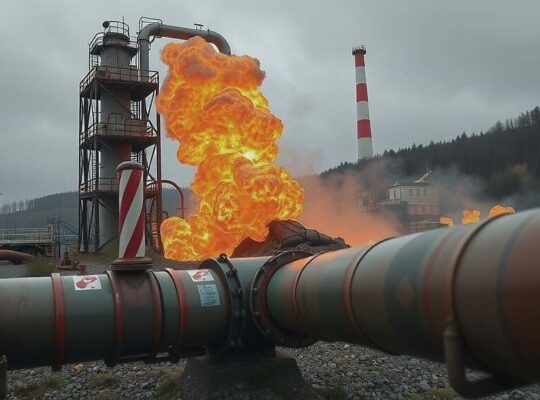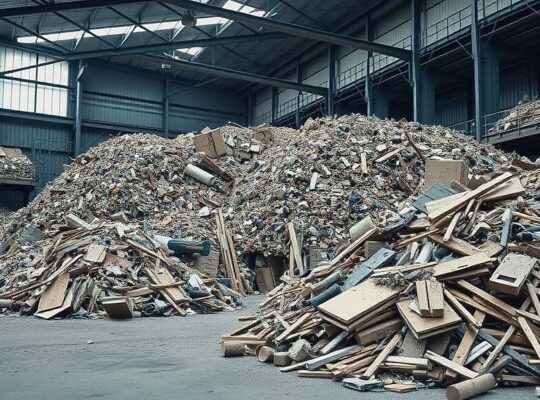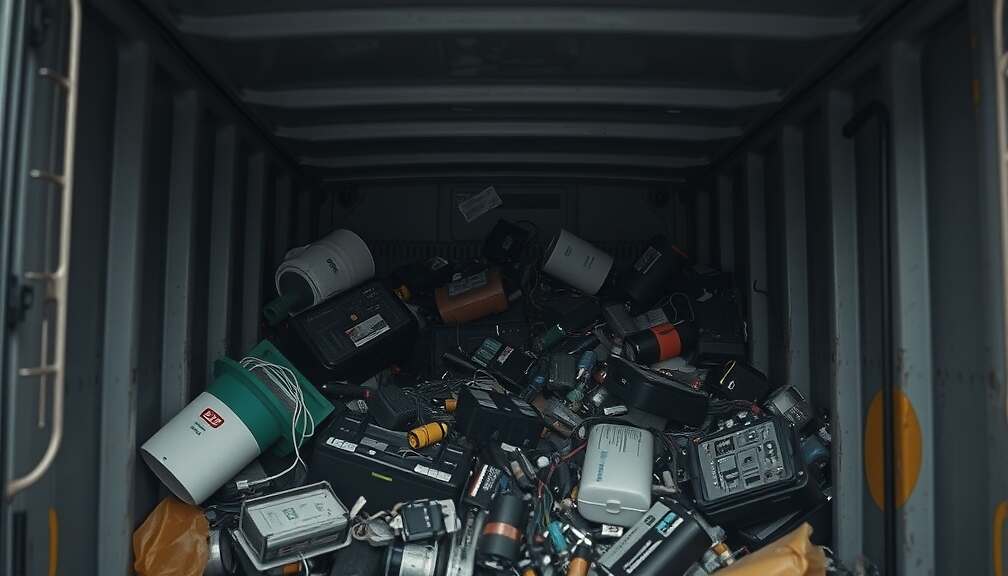
The escalating frequency of fires triggered by discarded batteries and accumulators is rapidly emerging as a significant challenge for German municipalities, according to the German Association of Cities (Deutscher Städtetag). Christian Schuchardt, the Association’s Managing Director, voiced his concerns to the “Rheinische Post”, highlighting a daily occurrence of fires breaking out at municipal recycling centers and within refuse collection vehicles.
The root of the problem, Schuchardt explained, lies in the prevalence of small batteries embedded in everyday consumer goods, coupled with the common practice of improperly disposing of batteries and accumulators within household waste. These incidents pose a direct threat to the safety of waste management employees, while simultaneously causing substantial damage to waste processing facilities, vehicles and refuse containers. This compromises the reliability and security of waste disposal systems.
Beyond the immediate risk to personnel and infrastructure, the financial repercussions are becoming increasingly severe. Damage-related insurance premiums for waste management operations are soaring and in some cases, facilities are becoming uninsurable, exacerbating an already strained sector.
Schuchardt is strongly advocating for federal intervention, criticizing the recently passed Act on Waste Electrical and Electronic Equipment (“Elektroaltgerätegesetz”) as a missed opportunity. He points to successful preventative measures implemented in France and Belgium, such as outright bans on disposable e-cigarettes, as models for Germany to emulate.
“The federal government must now rectify this with effective regulations” Schuchardt insisted, arguing that a more robust and proactive regulatory approach is urgently needed to mitigate the growing threat and protect both public safety and the financial stability of municipal waste management services. The current legislative framework, he suggests, fails to adequately address the evolving challenges posed by increasingly sophisticated and hazardous battery technology, demanding a reassessment of national waste management policy.