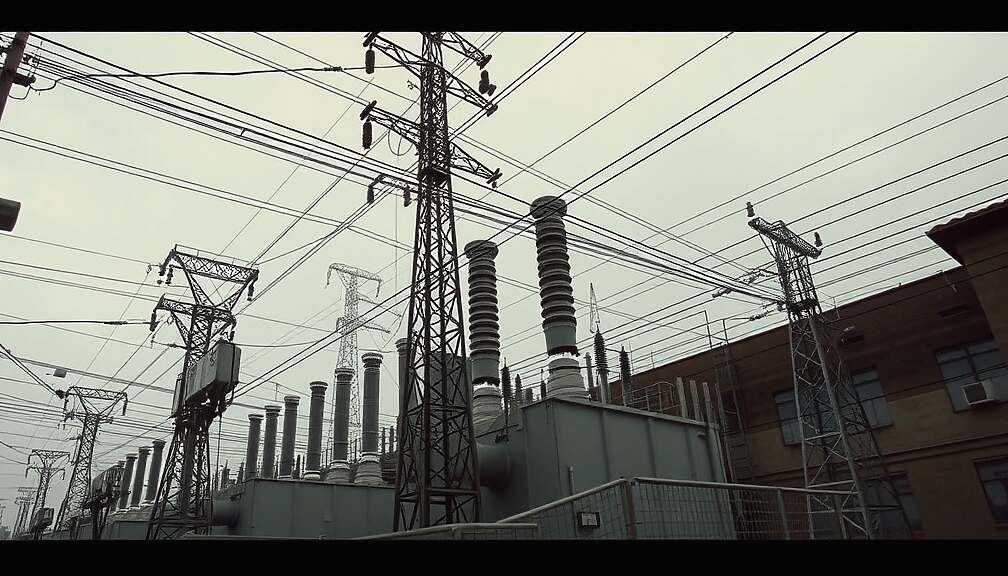
The recent widespread power outage in Berlin has ignited a fierce debate over the vulnerability of Germany’s critical infrastructure and the inadequacy of current regulatory frameworks. Experts are pointing to a systemic failure to adequately safeguard essential services, fueled by a reluctance to invest in resilience measures and a prioritization of optics over genuine protection.
Manuel Atug, spokesperson for the independent expert group AG Kritis, delivered a scathing critique to “Der Spiegel”, stating that the Berlin incident is not an isolated case. “Resilience costs money. And companies only do what they are legally obligated to do”. He argues that the vulnerability of critical infrastructure is pervasive across the country, stemming from a political failure to mandate adequate preparedness among operators. “It appears we need a catastrophic event with significant casualties to finally secure better laws protecting critical infrastructure” Atug lamented, calling the current situation “pathetic.
AG Kritis accuses the Federal Interior Ministry of demonstrating a detrimental lack of urgency in enacting robust regulations, specifically referencing the stalled Kritis-Dachgesetz (Critical Infrastructure Protection Act). They allege that the ministry prioritizes superficial security measures – such as the establishment of drone defense centers – over tangible protections for essential networks like the power grid. “Concrete protective measures for the power grid simply don’t generate political points” Atug asserted. “The Interior Minister is more concerned with appearances than actual security.
Adding to the criticism, Kai Strunz, an energy expert from the Technical University of Berlin, highlighted critical deficiencies in the network’s resilience following the power cut. He emphasized the obvious absence of sufficient redundancy. “There’s a clear lack of backup systems to cover the failed lines; otherwise, the affected area could be supplied via an alternative line.
The protracted restoration efforts – five days before power was fully restored after the suspected sabotage of a cable bridge at the Teltow Canal – have amplified the concerns. Strunz deemed this timeline “unacceptable for a metropolitan region” and contends that it disproves any claim of a robust power grid. While acknowledging that complete security is unattainable, he stressed that resilience lies in preparation and response capabilities – areas where significant improvements are demonstrably needed. “We require resilience plans for infrastructure operators that genuinely deserve the name.
The situation raises uncomfortable questions about the government’s commitment to protecting vital national assets and the potential consequences of prioritizing political expediency over essential structural safeguards. The recent Berlin blackout may serve as a harsh wake-up call, demanding a reassessment of priorities and a significant investment in the nation’s critical infrastructure.