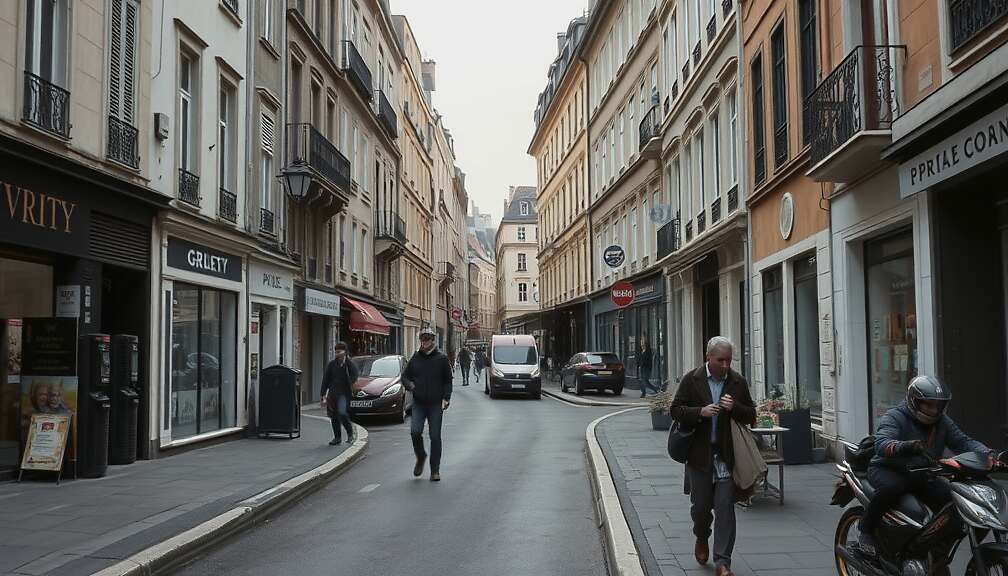
A motion to rename a section of Dorotheenstraße in central Berlin to honor the Yad Vashem Holocaust memorial has gained support within the Bundestag’s construction committee, according to reporting by Politico. The proposed change, which would affect a 130-meter stretch near the Reichstag building and adjacent to the Jakob-Kaiser-Haus housing parliamentary offices, signals a move to further embed Holocaust remembrance into the heart of German political life.
The resolution frames Yad Vashem as a “central institution of Holocaust remembrance worldwide” arguing that renaming a street in Berlin’s political center would be “a visible expression of commitment to historical responsibility and remembrance culture”. The renaming, however, will not be immediate, with the proposal outlining a potential implementation date no earlier than May 2026.
The initiative follows a recent request from Yad Vashem Director Dani Dayan and Kai Diekmann, chairman of the Yad Vashem Friends Circle, explicitly directed to Bundestag President Julia Klöckner (CDU). While the gesture appears laudable on the surface, the move has drawn subtle, yet palpable, criticism. Some observers question the practical impact of a symbolic renaming, arguing that resources might be better allocated to bolstering educational programs and supporting Holocaust survivors.
Furthermore, the timing of the motion, as the German government navigates complex issues related to contemporary antisemitism and rising political polarization, raises questions about whether such a symbolic act genuinely contributes to addressing these challenges or serves as a performative gesture of political solidarity. The debate underscores the ongoing tension between maintaining historical memory and tackling the complexities of present-day political realities.