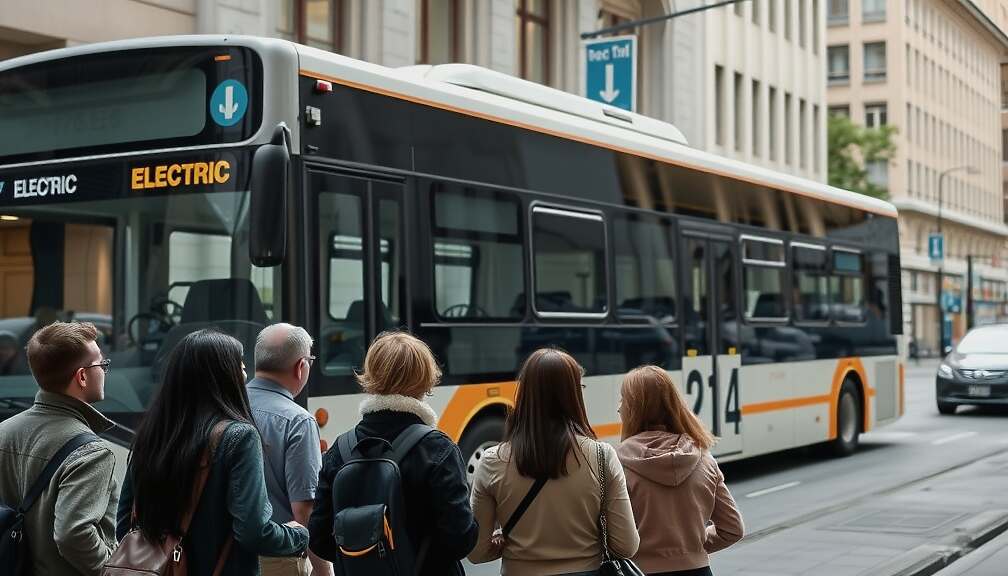
The procurement of electric buses from the Chinese manufacturer BYD by Deutsche Bahn (German Rail) is drawing sharp criticism from the conservative Union faction, raising concerns over industrial policy and potential security vulnerabilities. Björn Simon, the CDU’s (Christian Democratic Union) transport policy spokesperson, expressed significant reservations regarding the deal, highlighting the risks associated with software-based remote access capabilities. He voiced his concerns to Deutsche Bahn board member Evelyn Palla, emphasizing his expectation that similar contracts would not be repeated.
The controversy stems from Deutsche Bahn’s December announcement of a framework agreement to acquire over 3,000 new electric and hybrid buses, with approximately 200 slated to be supplied by BYD. This decision has ignited a broader debate about the security implications of increasingly digitized transport infrastructure. Security experts and politicians are warning about potential dangers, specifically regarding over-the-air software updates that could potentially be exploited.
While Deutsche Bahn and the Federal Ministry of Transport insist that all vehicles meet existing regulatory and safety standards, critics argue that the reliance on foreign suppliers, particularly those from countries with differing data protection regulations and geopolitical alignments, presents an unacceptable level of risk. The Union’s stance signals a growing unease within German political circles about the increasing dependence on Chinese technology, even within essential public services. The case underscores the escalating tension between economic considerations and national security concerns within the context of Germany’s industrial policy. The incident is likely to fuel further scrutiny of government contracts involving foreign technology providers and prompt a more rigorous assessment of supply chain security.