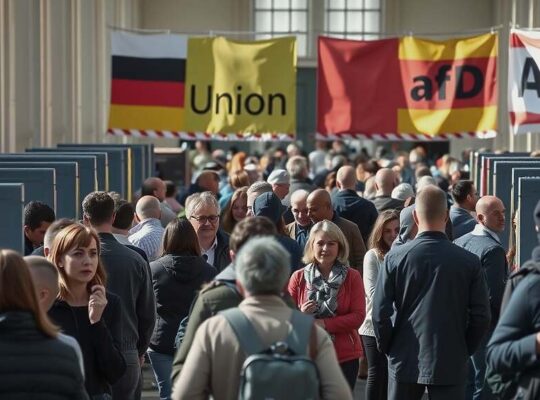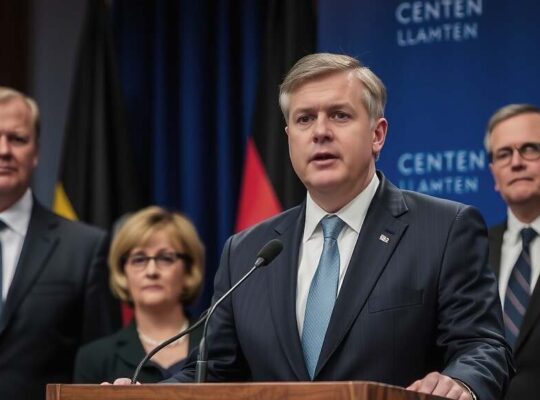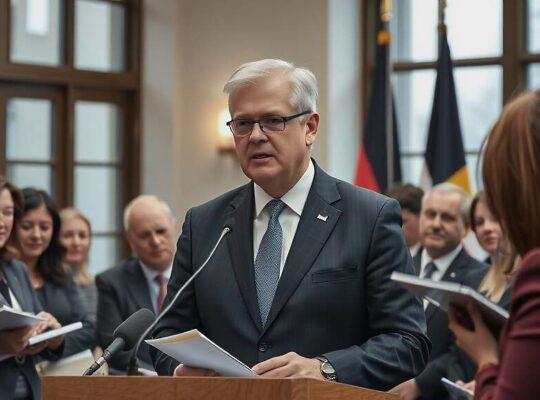
Following the formation of “Generation Deutschland” the youth wing of the Alternative for Germany (AfD), prominent Bundestag members are intensifying calls for the expedited preparation of a potential AfD ban. SPD politician Carmen Wegge, in a statement to the “Rhinische Post” argued the new organization’s radicalization furnishes a compelling justification for pursuing a ban, citing its actions and resolutions as directly attributable to the broader party. She emphasized the weekend’s events had notably increased the likelihood of success in such a legal challenge.
Irene Mihalic, parliamentary group spokeswoman for the Greens, echoed this sentiment, asserting the establishment of the AfD-affiliated youth group renders the prospect of a ban more urgent than ever. She pointed to the prevalence of far-right and ethno-nationalist rhetoric evident at the organization’s founding event, expressing grave concern.
“We cannot afford to delay” stressed the call for action ahead of the upcoming Interior Ministers’ Conference. The proposal centered on the immediate establishment of a joint task force between federal and state governments to meticulously analyze intelligence reports from the various state protection agencies (Verfassungsschutz). This assessment is crucial to determine the viability of a formal ban.
Stefan Seidler, a member of the Bavarian State Party (SSW), underscored the concerning development, advocating for a decisive governmental signal demonstrating the active and resolute protection of the constitution. He emphasized the need for all democratic forces to collaboratively evaluate whether the positions, activities and goals of extremist groups remain compatible with Germany’s fundamental legal framework, safeguarding democratic institutions.
Thuringia’s state protection chief, Stephan Kramer, drew a stark comparison between “Generation Deutschland” and its predecessor, “Junge Alternative” already classified as right-wing extremist by the Verfassungsschutz. Initial assessments of the founding members, speeches and affiliations reveal no discernible moderation or distancing of the new organization from its predecessor. Kramer suggested it represents a successor organization operating under the cover of a youth wing, intentionally exploiting the constitutional protection afforded to political parties.
The appearance of Alexander Eichwald, a candidate for the youth wing’s leadership, generated significant controversy. His deliberate articulation, reminiscent of Nazi-era rhetoric, use of the term “Parteigenossen” (comrades) and expressions of shared devotion to Germany prompted immediate condemnation from AfD co-leader Tino Chrupalla. While Chrupalla declared the federal executive board would evaluate the incident, the purpose of Eichwald’s presentation – satirical or sincere – remains ambiguous. Eichwald secured a surprising twelve percent of the vote.
Kramer further criticized the choice of leadership and the conveyed message, specifically highlighting apparent sympathies towards the far-right “Identitarian Movement”. These factors, he believes, offer no indication of a shift away from radicalization. Criticism is currently being directed at an individual’s specific rhetoric, but the Verfassungsschutz will broaden its assessment to encompass all speeches and content disseminated at the inaugural event.