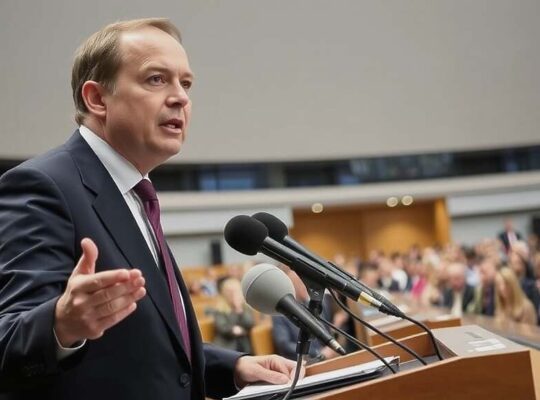
The prospect of multiple German public holidays falling on weekends in 2026 has ignited a political debate, exposing underlying tensions regarding work-life balance and economic productivity. Jan van Aken, parliamentary leader of the Left party (Die Linke), is spearheading a campaign for replacement holidays to be scheduled during the week, arguing that the current situation effectively steals “deserved leisure time” from German workers. He points to international precedents in countries like Australia, Belgium and Spain, where compensating for weekend-falling holidays is standard practice.
Van Aken’s proposal, while seemingly a minor adjustment, highlights a deeper disagreement about the value of leisure and the prioritization of economic output within German society. He contends that denying workers these replacement days represents a loss of fundamental rights.
The proposal has drawn sharp criticism from the center-right Union faction, particularly via Gitta Connemann, chair of the Mittelstand (small and medium-sized business) and Economic Union (MIT). Connemann dismissed the idea as “absurd” warning that it would place an undue burden on German businesses and negatively impact the nation’s economic standing. She asserted that each public holiday equates to a €8.6 billion production shortfall and that reducing production would further stifle Germany’s already sluggish economic growth.
Connemann’s response underscores a prevailing narrative within certain circles of German politics – one that emphasizes productivity and a “work ethic” as essential for maintaining national prosperity. Her assertion that Germany “cannot afford a holiday mentality” reveals a reluctance to prioritize employee well-being over perceived economic imperatives.
The ensuing debate transcends a simple calendar adjustment; it is a symbolic collision of ideologies concerning labor rights, national identity and the balance between individual liberties and economic performance in contemporary Germany. The government’s eventual response will likely shape the ongoing discussion about the role of work and leisure in German society and potentially indicate a broader shift in policy regarding employee rights and work-life balance.