Jeroen van Tilburg, the head of the charging infrastructure operator Ionity, has called on policymakers to provide greater predictability regarding electric mobility. Speaking to Redaktionsnetzwerk Deutschland, van Tilburg stated that the current political messaging in Germany is inconsistent. He noted, “On one hand, there is a demand for us to install more charging points. On the other hand, the expansion is complicated by very complex regulatory frameworks”.
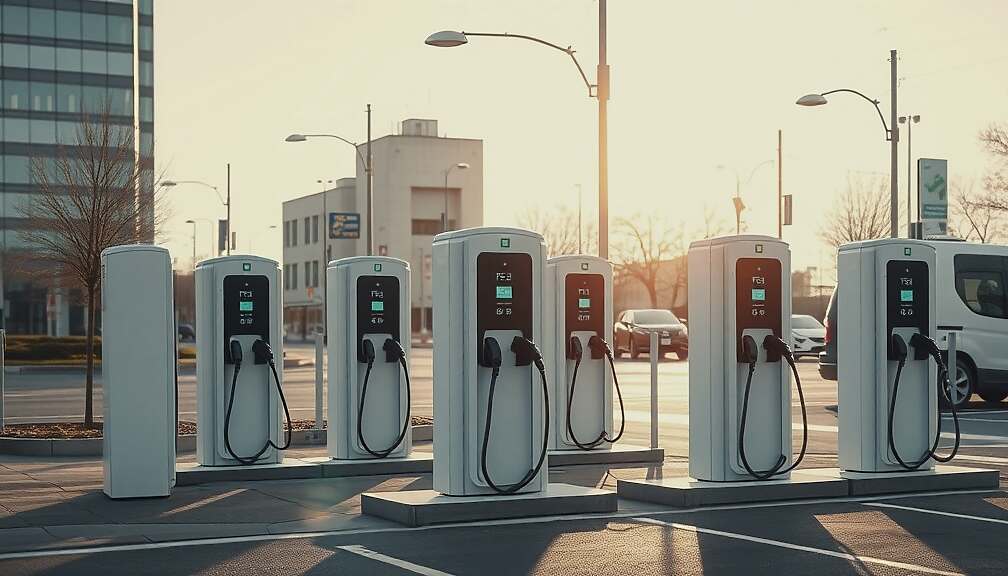
His company is ready to build several thousand additional charging points across Germany in the coming years. However, tackling over 800 regional grid operators, each with its own differing requirements, presents significant challenges. According to van Tilburg, this situation “must become simpler”.
While electric mobility is gaining momentum, the manager added that progress would be much faster if the political environment stabilized. Currently, the ongoing debate surrounding CO2 reduction targets and carbon pricing creates considerable uncertainty for drivers, industry stakeholders, and investors.
Van Tilburg believes that a genuine catalyst for e-mobility would be stronger tax incentives for company cars and corporate vehicle fleets. He explained that such incentives would make electric vehicles significantly more attractive to fleet managers who must calculate costs carefully compared to internal combustion engine cars. Furthermore, these vehicles would enter the used car market after their leases expire-typically after three or four years. In this way, he argues, “the customer base is increased due to the favorable pricing”.
Ionity is a joint venture involving major German automakers such as Volkswagen, BMW, and Mercedes-Benz, positioning it as one of Europe’s largest providers of high-power charging stations.