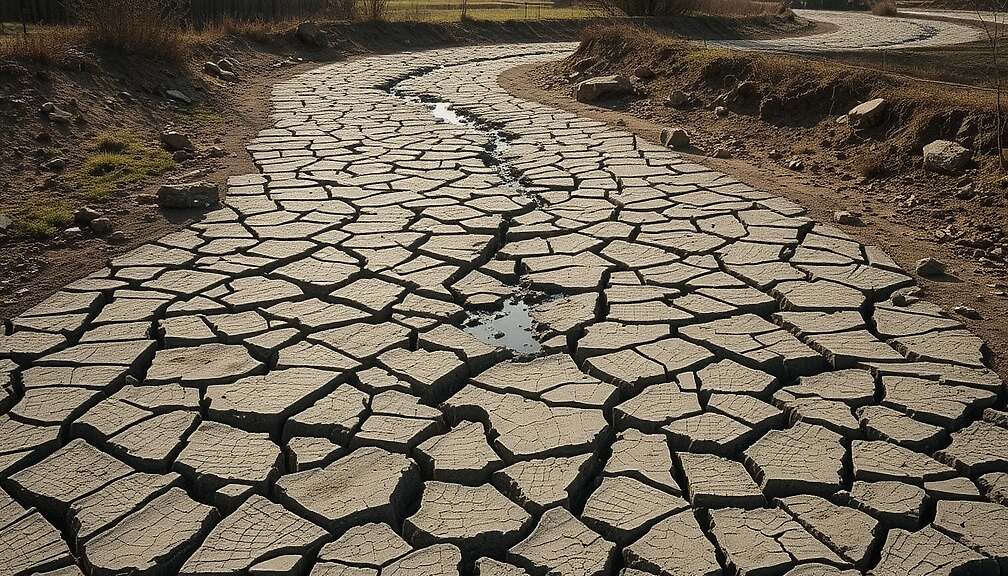
The Federal Environment Minister, Carsten Schneider (SPD), has issued a warning regarding growing water scarcity across Germany, stating that the issue is often underestimated. While Germany has historically been abundant in water, Schneider noted that this is changing rapidly.
He emphasized the need for localities to establish conditions that ensure they remain viable in ten or twenty years and that businesses can continue operating. “In the future, we will have serious conflicts over water-even here in Germany,” he remarked.
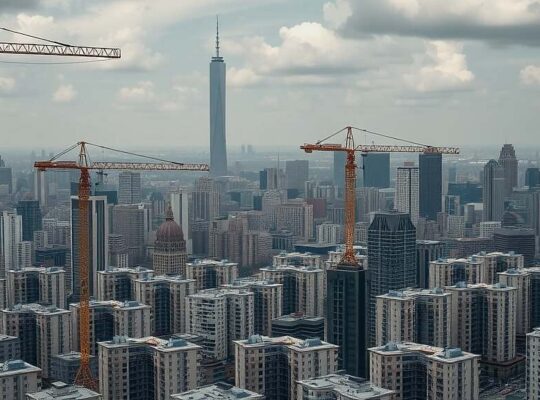
The minister pointed out that major urban centers will be particularly affected. Using Berlin as an example, he explained that the city’s water supply relies significantly on the Spree River, which is already seeing days when it flows backward. This situation is predicted to worsen due to the amount of pumped water being taken from the lignite mines in Lusatia.
To address this looming shortage, a possible idea involves pumping a portion of the Elbe water through a massive pipeline into the Spree. However, Schneider cautioned that if the dryness intensifies, it threatens to become a major conflict involving different regions, mentioning potential clashes among states like Saxony, Hamburg, and the Czech Republic.
Globally, human-made global warming is causing droughts to become more frequent and severe in specific regions, including Europe, the Mediterranean, Southern Africa, Central and East Asia, Southern Australia, and Western North America. This situation is exacerbated as long as greenhouse gases continue to be released into the atmosphere by burning fossil fuels like coal, oil, and gas.
Scientifically, a warmer atmosphere increases evaporation on land, resulting in drier soil. Furthermore, climate change is altering precipitation patterns. When rainfall is short and intense, the land surface becomes quickly saturated, causing water to run directly into rivers instead of percolating deeply into the soil. In contrast, if the same amount of precipitation falls as mild rain over a longer period, there is a higher probability that soil moisture and groundwater reserves will be maintained.