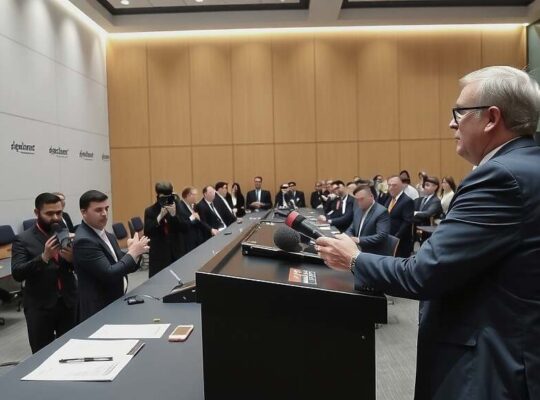
A consumer rights group, the Verbraucherzentrale Bundesverband (VZBV), has launched a class-action lawsuit against German insurer Debeka, alleging the unlawful imposition of cancellation fees on prematurely terminated life and pension insurance contracts. The suit centers on a controversial clause allowing Debeka to levy an additional “capital market-dependent cancellation fee” alongside standard charges, a practice VZBV argues is opaque and unfairly burdens policyholders.
Ramona Pop, Co-CEO of VZBV, condemned the practice as “unreasonable” stating that it unfairly penalizes consumers seeking to terminate their policies. The consumer group is pursuing the lawsuit to secure reimbursement for affected individuals, estimating that tens of thousands of customers have been impacted since at least 2009.
According to VZBV’s calculations, over €100 million has been retained from approximately 242,000 prematurely terminated contracts between 2022 and 2024 due to these additional charges. The organization’s legal action, a model claim (Musterfeststellungsklage), aims to establish that the practice is unlawful and enforceable across a broad range of affected policies.
Debeka strongly denies the allegations, asserting that the clause is both legally permissible and sufficiently transparent. A company spokesperson argued that the agreed-upon terms at the contract’s inception compensate for fluctuations in the collective investment performance. They maintain the conditions are a necessary adjustment to the financial landscape.
However, critics contend the clause’s ambiguity renders it unenforceable. Consumers often lack the ability to accurately estimate potential cancellation fees at the time of contract commencement, effectively negating true informed consent. The lawsuit raises serious questions about the fairness and regulatory oversight surrounding complex financial product clauses and highlights the potential for systemic issues within the insurance sector. The legal battle is expected to draw significant attention and could potentially expose similar practices within other insurance companies.