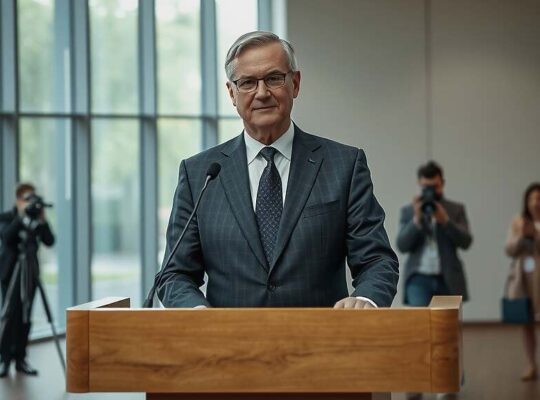
The Christian Social Union (CSU) is poised to nominate rising star Florian Dorn to a key deputy chairmanship role within the forthcoming Bundestag pension commission, according to sources within the parliamentary group cited by “Focus” magazine. The appointment, reportedly accepted by Dorn himself, signals a deliberate attempt by the governing coalition to inject fresh perspectives into the contentious debate surrounding Germany’s aging population and the sustainability of its social security system.
Dorn, a 39-year-old economist and finance researcher, entered parliament in 2025 and rapidly established himself as a subject matter expert on pension policy. His previous role as a personal assistant to Clemens Fuest, the president of the influential Ifo Institute, lends him considerable economic credibility. His deep roots within the Junge Union, the youth wing of the conservative parties, further solidify his position within the political landscape, despite him not formally belonging to the “young guns” faction.
The selection of Dorn, reportedly a compromise candidate, highlights the internal maneuvering that followed intense debate surrounding the coalition’s pension proposals. Following a period of significant disagreement and factional tensions within the governing parties, the leadership had pledged increased involvement for younger parliamentarians in shaping the commission’s direction – a move now seemingly being honored with Dorn’s prospective appointment.
The pension commission, slated to be formally established later this year, will comprise thirteen members, with dual leadership appointed by the Chancellery and the Federal Ministry of Labor. Three deputy roles will be filled by representatives from the SPD, CDU and CSU, respectively. Crucially, the inclusion of eight academic experts is intended to ensure a data-driven and evidence-based approach to pension reform.
However, the move raises questions about the extent to which the commission will operate free from political pressures. While academic input is intended to be a cornerstone, the composition heavily weighted towards representatives of the governing parties suggests a focus on securing political consensus may overshadow truly independent analysis. The early appointment of a relatively junior politician, potentially perceived as a strategic maneuver to appease internal factions, inevitably casts a shadow over the commission’s potential for truly transformative reform. Whether Dorn’s expertise and perceived independence can sufficiently navigate these political undercurrents remains to be seen, with the commission’s ultimate impact on Germany’s future pension system hanging in the balance.