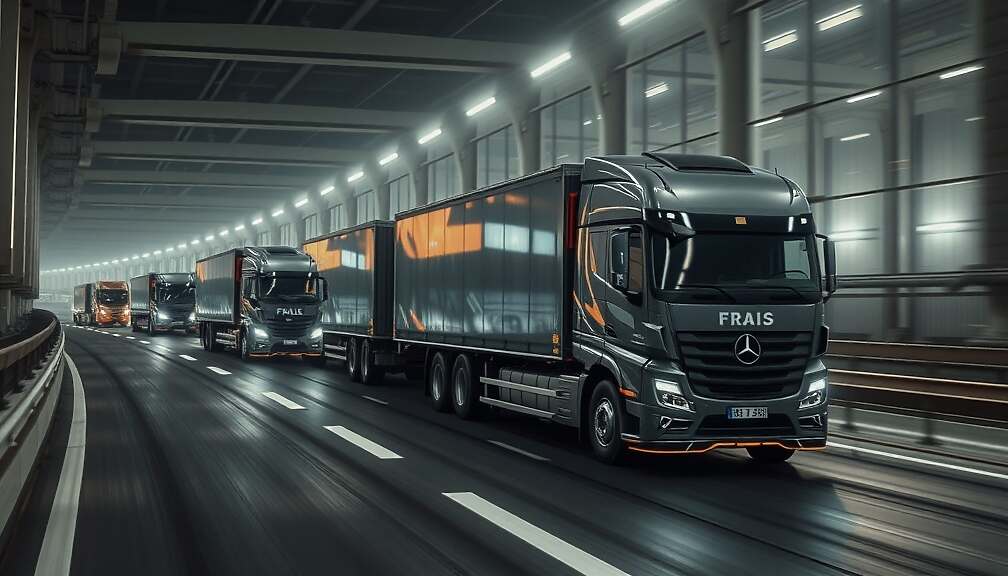
Acim Puchert, the CEO of Daimler Truck, stated that while he views the European Union’s CO2 regulations for truck manufacturers as appropriate, he finds that the infrastructure development is proceeding significantly slower than anticipated. In an interview with the “Welt am Sonntag,” Puchert confirmed that his company is committed to meeting the goals, having invested heavily and completed its necessary preparations. However, he advocated for linking regulatory demands more closely to the actual expansion of the supporting infrastructure. He argued that it is unfair to solely hold the manufacturers responsible for failing to meet targets if the necessary preconditions-such as adequate charging networks and grid readiness-are not established. Failing to establish these foundations could result in heavy fines that would negatively impact the capacity of the truck manufacturer to invest.
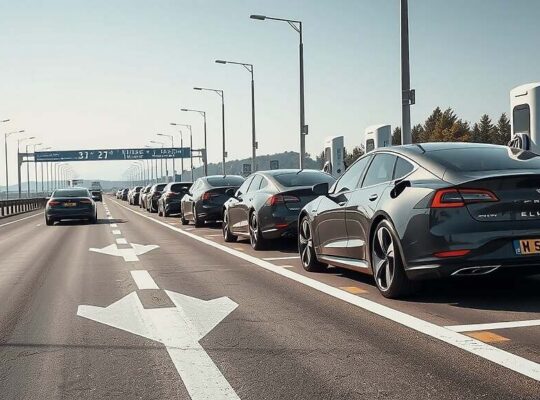
Puchert further asserted that the low market share of electric heavy-duty trucks in Europe is not a failure of the industry but rather a systemic problem. He pointed out that both he and his competitors offer a broad portfolio of electric vehicles, meaning the vehicles are available. Instead, he attributed the hurdle to the lack of charging infrastructure, the capacity limitations of the electricity grid, and uncompetitive electricity prices. He explained that for many potential customers, a compelling business case only emerges once the infrastructure and operating costs are suitably optimized.
He contrasted the European situation with China, citing the latter’s high adoption rate of electric trucks. Puchert noted that China employs a far more comprehensive strategy, where government bodies, infrastructure operators, and industry collaborate closely. In China, charging infrastructure is strategically established along key transportation routes, a process that, in his view, Europe has yet to match.