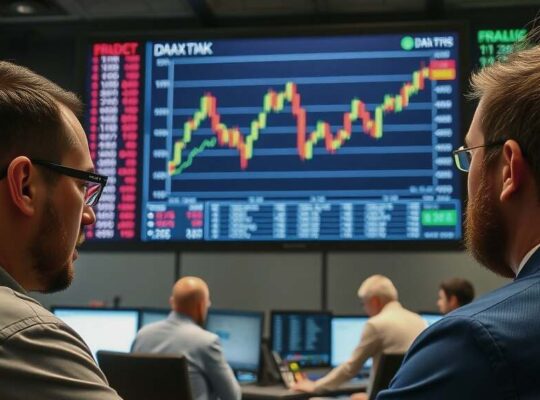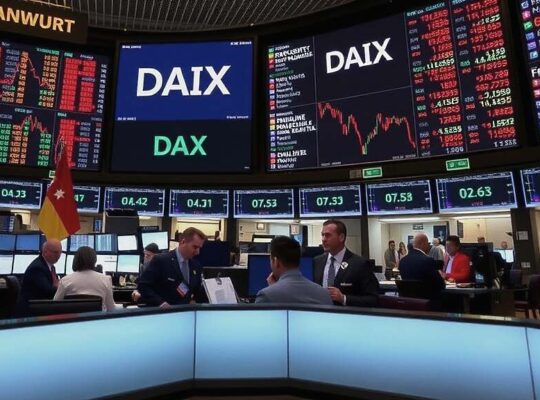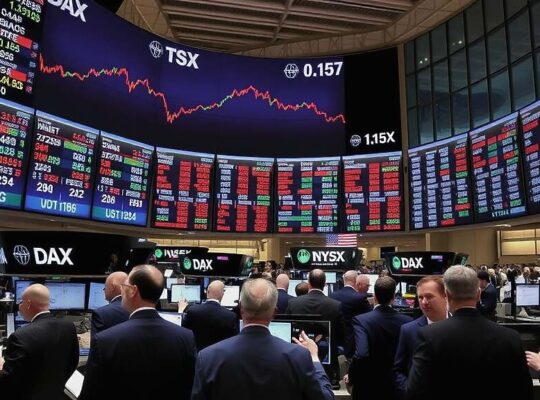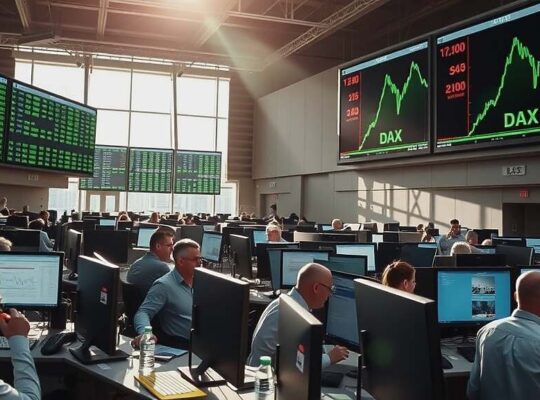
The German benchmark index, the DAX, opened cautiously on Friday, hovering slightly above Thursday’s closing level at approximately 25,130 points. This subdued performance reflects a growing sense of caution among investors as two key events loom, potentially disrupting the recent record-breaking rally.
According to Jochen Stanzl, Chief Market Analyst at Consorsbank, the DAX faces a “double stress test” this afternoon. First, the US Supreme Court is expected to deliver a ruling regarding reciprocal tariffs imposed by former President Trump. Second, the release of US jobs data will be closely scrutinized for clues regarding future interest rate policy. Stanzl suggests the recent bullish momentum has been tempered by anticipation surrounding these pivotal moments, with investors exhibiting a desire for greater clarity before committing to further positions following a flurry of activity year-to-date.
The interpretation of the forthcoming US jobs figures is likely to be nuanced. A weaker-than-expected report might be attributed to the lingering effects of government shutdowns, while a robust showing risks dampening expectations of dovish monetary policy. Stanzl notes that recent labor indicators haven’t signaled significant cause for concern, yet the potential for unexpected results – and the consequent market volatility – is influencing a posture of cautious observation among some traders.
Beyond the economic data, a potential political confrontation is brewing in Washington. The Supreme Court ruling on Trump’s tariffs carries considerable weight for hundreds of businesses hoping to reclaim previously paid duties through legal channels. A favorable verdict for the companies would likely trigger a short-term positive reaction in the market, potentially boosting corporate profit margins and easing burdens on consumers. However, analysts anticipate a resurgence of uncertainty should the US government attempt to re-implement the tariffs through alternative means, highlighting the precarious nature of trade policy.
Geopolitical tensions are also casting a shadow on market sentiment. Concerns are mounting regarding the ongoing protests in Iran and the response from the Tehran government. Despite existing sanctions, Iran remains a significant oil producer and instability there poses a risk to oil production across the Middle East. While a complete Iranian export cessation wouldn’t immediately trigger a global supply shortage, the protests’ broader implications are undeniable, contributing to upward pressure on oil prices and, consequently, tempering the DAX’s rally.
The euro weakened slightly against the dollar, trading at $1.1644, reflecting a complex interplay of economic factors and investor positioning. Gold prices also experienced a modest decline, reflecting a more risk-on environment. Brent crude oil, however, saw an increase, further illustrating the market’s sensitivity to geopolitical events and potential supply disruptions.