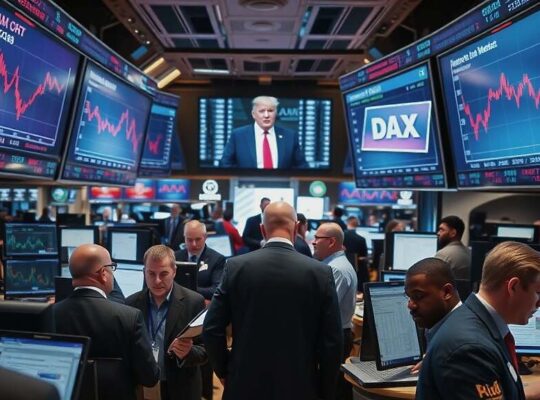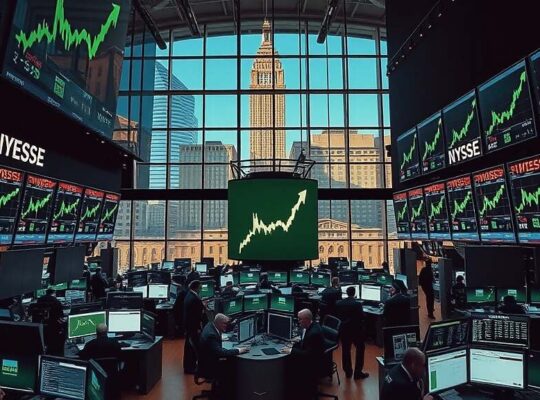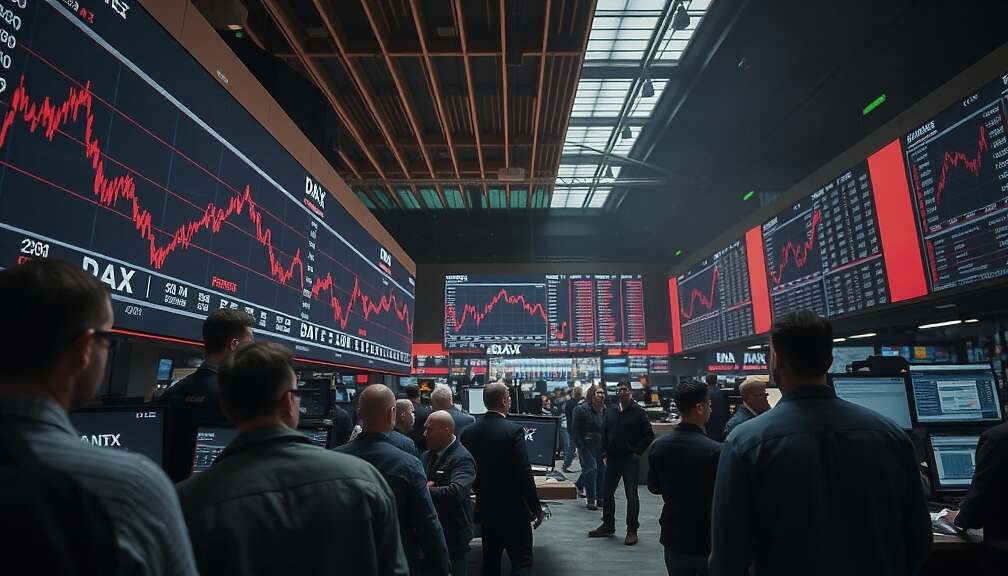
The DAX continued to trade well into the red on Thursday after a weak start. By 12:30 p.m. German time the index was at 22,825 points, 2 percent below its previous closing level. The strongest performers were E.ON, Deutsche Börse and Brenntag, while Deutsche Telekom, Infineon and Siemens Energy were at the bottom of the list.
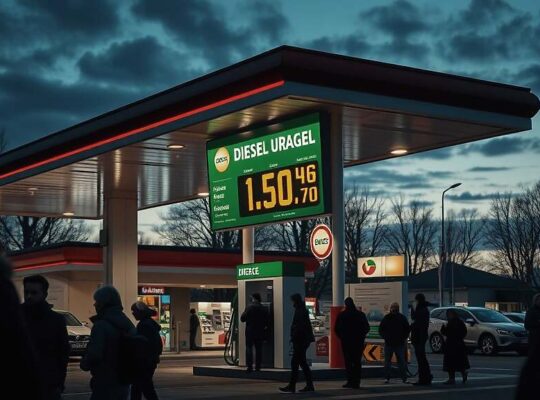
According to Andreas Lipkow, chief market analyst at CMC Markets, investors are grappling with a range of uncertainties. He said it is currently impossible to gauge the mid‑ to long‑term impact of the Middle East conflict on supply chains, prices, inflation, and the broader economy. “Oil prices remain high-well above $100 a barrel-a critical level” he noted, adding that fertilizer prices have surged, already driving up wholesale costs for several food groups.
Lipkow also highlighted the uncomfortable position of central banks, which have little or no room for rate cuts in the present environment. “Rate cuts could stoke inflation, while hikes would slow the economy” he cautioned.
Against this backdrop, the analyst believes the DAX remains surprisingly stable, partly because expectations of a swift normalization cushion the market. “The anxiety is currently being released mainly in precious metals and a few sectors of the equity market” Lipkow said. “Interest‑rate‑sensitive names such as banks and technology stocks are in the red, whereas energy stocks and defensive sector shares are sought after”.
On the currency front, the euro weakened at mid‑Thursday. One euro bought 1.1516 U.S. dollars, and one U.S. dollar was worth 0.8684 euros.
Meanwhile, Brent crude saw a sharp rally. At around noon German time, a barrel of North Sea Brent traded at $108.40, up 7.2 percent from its previous close.