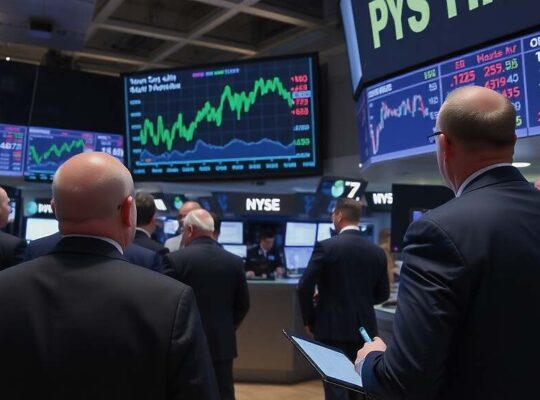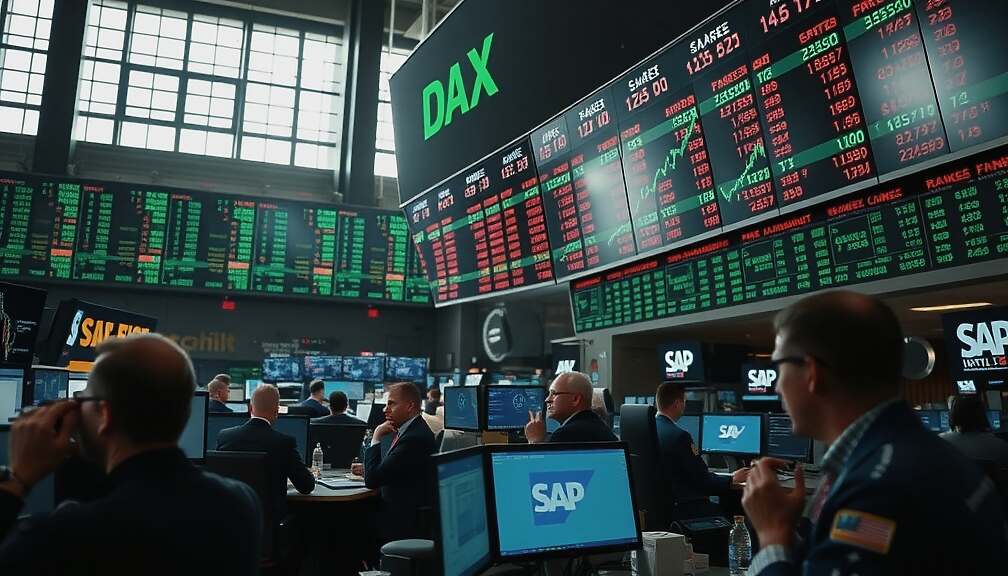
At the end of the trading day the DAX finished higher. The Xetra settlement index was calculated at 24,901 points, a rise of about 0.2 % compared with the previous closing level.
Christine Romar, Head of Europe at CMC Markets, commented that the so‑called unstoppable climb in gold prices at least shows investors still treat geopolitical risk as a serious concern. She added that while the tariff threats that had burdened the market during the first week have been set aside, the situation in Greenland remains a long‑term worry. Romar notes that it may simply be a matter of time before former President Trump pushes again for the U.S. flag to fly over the island, and that a solution akin to the British overseas territories situation in Cyprus is being discussed. She remains doubtful whether all involved parties would accept such a arrangement.
The same analyst also questioned the prospects for renewed peace initiatives in Ukraine. She recalled that the parties have often approached a sustainable cease‑fire, yet Russia’s attacks have not markedly decreased and President Vladimir Putin’s claim over the Donbass remains unchanged, casting doubt on any lasting success.
In Frankfurt the daily stock market saw SAP’s shares anchored at the top of the performance list until close, while Zalando and Adidas finished at the bottom.
Gas prices rose as well: a megawatt‑hour (MWh) of gas for February delivery cost €40, up 4 % from the previous day. At that level, consumers would see a minimum average price of between €0.08 and €0.11 per kilowatt‑hour (kWh), including ancillary costs and taxes, if the prices stayed at that level.
The oil market moved sharply upward too. At around 5 p.m. Central European Time on Friday, Brent crude traded at $65.75 a barrel, an increase of 2.6 % over the prior day’s close.
The euro strengthened slightly against the dollar: one euro was worth $1.1762, meaning one U.S. dollar was trading at €0.8502.