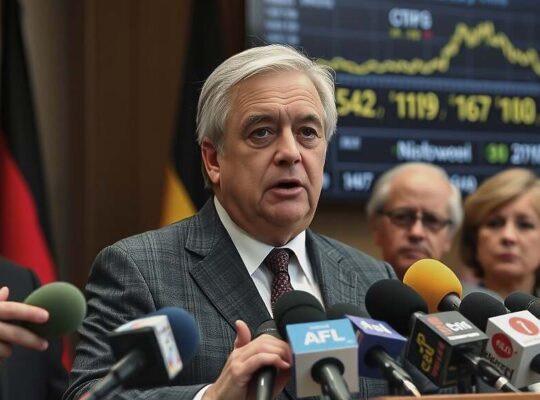
The German DAX index experienced a modest gain on Thursday, closing at 25,352 points, a 0.3 percent increase from the previous day’s close. The index fluctuated throughout the trading session, largely mirroring the previous day’s performance before a late-afternoon upswing. While the uptick reflects a return to positive growth after two years of recession, the mere 0.2 percent GDP growth reported last year has failed to spark widespread investor enthusiasm.
Rather than a response to robust economic data, analysts suggest the DAX’s movement is driven by anticipation of a more significant economic revival in the coming year. However, this optimism is tempered by considerable uncertainty. Christine Romar, Head of Europe at CMC Markets, cautioned that the timeline for realizing the full impact of substantial government investments in infrastructure and defense remains unclear.
“The crucial question is whether these investments will translate into tangible economic benefits” Romar stated. “Unless accompanied by timely and decisive structural reforms – specifically addressing issues within the energy sector, bureaucratic processes and the labor market – the so-called ‘special purpose vehicles’ (Sondervermögen) risk becoming merely a fleeting breeze rather than a genuine catalyst for growth”. She warned that premature celebration of the stock market’s potential could prove costly if these reforms fail to materialize, potentially jeopardizing a fourth consecutive strong year for the exchange.
The session’s performance saw RWE, Vonovia and Siemens Energy lead the gainers, while Fresenius, Commerzbank and Mercedes-Benz were among the heaviest losers.
Adding to the complex economic landscape, European gas prices rose significantly, reaching €33 per megawatt-hour (MWh) for delivery in February – a 4 percent increase from the previous day. This translates to a potential consumer price of at least 8 to 10 cents per kilowatt-hour (kWh), inclusive of taxes and levies, should this price level persist. This surge will undoubtedly place further pressure on households and businesses already grappling with inflationary pressures.
Conversely, the oil price experienced a sharp decline, with North Sea Brent crude falling to $63.79 per barrel, representing a 4.1 percent drop. This downward trend, while offering a temporary respite from energy costs, could also signal concerns about global demand or geopolitical developments.
The euro also weakened against the dollar, trading at $1.1608, reflecting broader trends in currency markets and potentially impacting the competitiveness of German exports. The fragility of the economic recovery and the reliance on future investments and structural changes highlight the precariousness of the current market situation, demanding careful scrutiny of government policy and global economic trends.