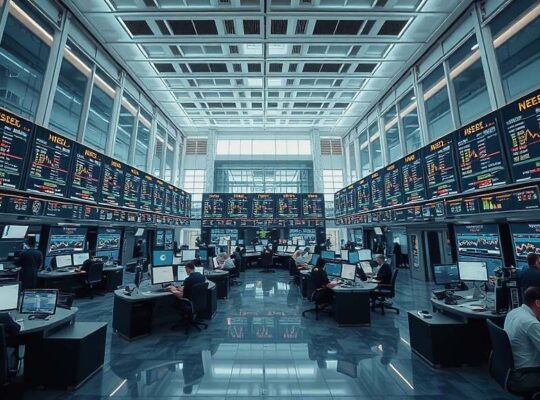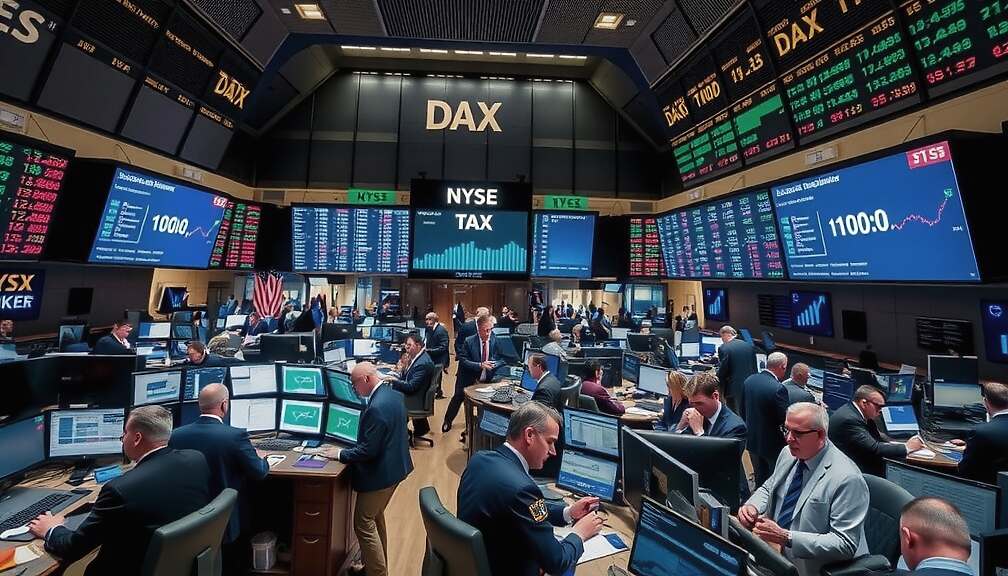
The German benchmark index opened Tuesday early to a slightly weaker level. Around 9:30 a.m. the DAX was calculated at roughly 24,935 points, down about 0.2 percent from yesterday’s close.
“It is hard for investors to see a clear picture of the overall situation in the financial markets right now” said Andreas Lipkow, chief market analyst at CMC Markets. He noted that trading activity reflects a cautious, defensive stance. In addition to familiar concerns such as the U.S.-China tariff trade war, the U.S.-Iran clash, and macro‑economic developments, worries about the disruptive potential of AI technology keep emerging in specific sectors.
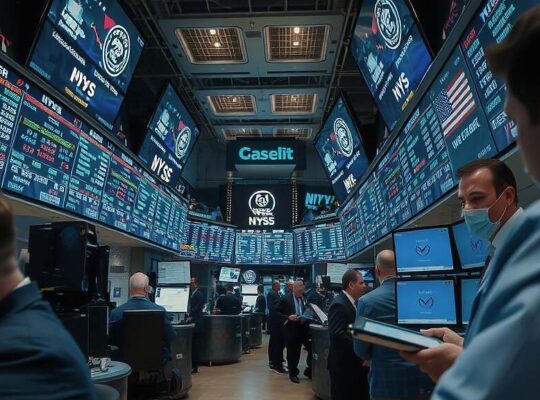
“Yesterday in New York we saw sharp sales in a number of software and cyber‑security firms” Lipkow continued. “Investors are still unsure how large the impact on their operating businesses will be and what profit‑loss expectations should look like. That remains a drag on one of Wall Street’s traditional sources of strength”.
In Asia, the focus was on trading in Japan and China after the holiday period. Investors in those markets remained calm, and their indices posted gains. That momentum is expected to carry over only modestly to European markets, where exposure to the U.S. financial system is greater.
After the cycle‑cyclical automotive stocks fell, a number of bargain hunters stepped in at the open and selectively bought shares of Volkswagen, Mercedes‑Benz and BMW. Lipkow remarked that Fresenius Medical Care’s latest figures were not well received; the company’s earnings exceeded analyst expectations thanks to cost savings, but the outlook is still cautious.
The euro was marginally stronger on Tuesday morning: one euro bought 1.1790 USD, and one USD traded at 0.8482 EUR.
Gold prices slipped noticeably. In the morning a troy ounce fetched $5,172, a drop of 1.1 percent, which equals €141.04 per gram.
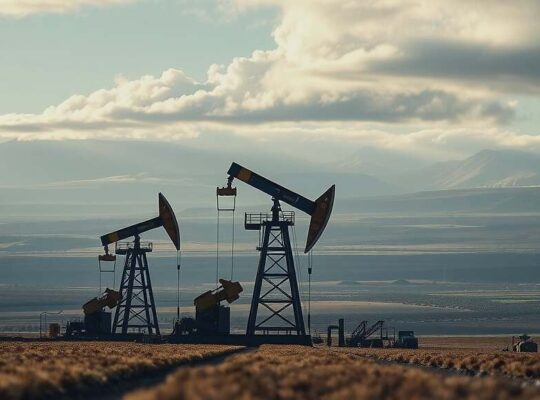
Meanwhile the price of Brent crude rose. Early on Tuesday, a barrel of North Sea‑origin Brent fetched $71.49-38 cents, or 0.5 percent, higher than the previous day’s close.