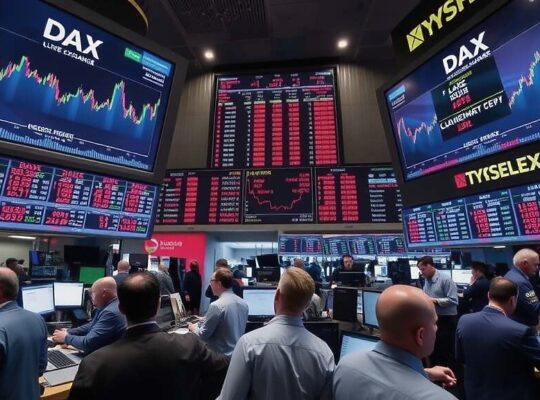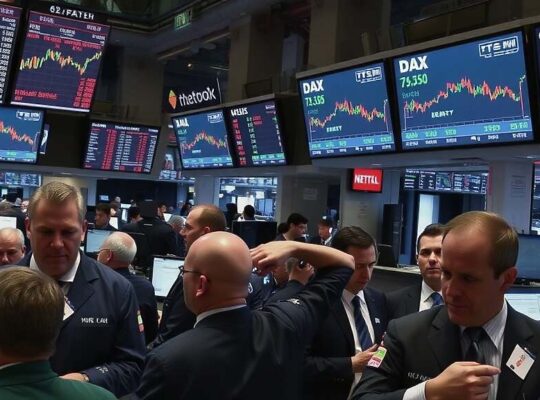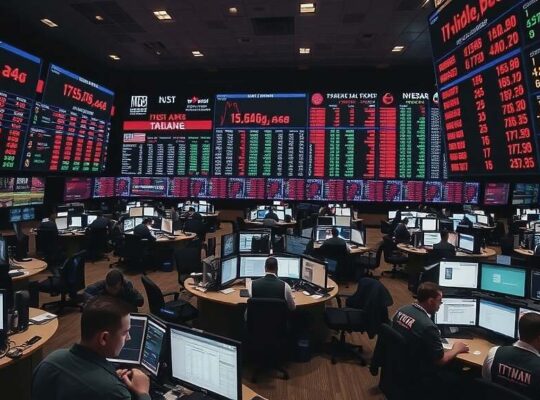
The German stock market benchmark, the DAX, experienced a late-day retreat on Friday, closing at 24,186 points – a 0.5% decrease from the previous day’s close. Initial gains made in the morning were steadily eroded as the day progressed, culminating in a reversal to negative territory. This shift reflects a palpable lack of investor appetite for German equities, according to market analysts.
“Investors are confronting a noticeable absence of buying interest in German blue-chip stocks” observed Andreas Lipkow, a leading market commentator. “Eventually, even the most optimistic participants invest and await a continuation of the upward trend in the broader market. Without fresh buying impetus, profit-taking assumes dominance, exerting downward pressure on the overall market landscape.
Lipkow’s critique suggests a market positioned too aggressively, having already factored in several anticipated developments. He implied that expectations surrounding potential US interest rate cuts, a possible resolution to the conflict in Ukraine and the substantial German government debt package have already been largely incorporated into current valuations. “Unless these anticipated factors result in demonstrably substantial and wide-ranging economic consequences in the near future, the enthusiasm will likely dissipate, ultimately proving to be a fleeting phenomenon” he stated.
Within the DAX 40, Adidas and Eon were early leaders on the day’s trading, while Deutsche Bank and Siemens Energy struggled to maintain momentum, ending at the bottom of the performance list.
Beyond the stock market, a concerning trend emerged in the energy sector. Natural gas prices, specifically contracts for delivery in January, rose to €28 per megawatt hour, reflecting a 3% increase from the previous day. This level suggests a potential consumer price of at least 7 to 9 cents per kilowatt-hour, including ancillary costs and taxes, if sustained. While the price of Brent crude oil also declined, dropping to $60.97 per barrel, the broader energy market volatility underscores persistent economic uncertainties.
The euro also weakened slightly against the US dollar, trading at $1.1733. The combined movements across stock, energy and currency markets suggest a growing sense of caution among investors, potentially reflecting anxieties surrounding the real-world impact of previously optimistic projections and prompting a reassessment of long-term investment strategies. The lack of sustained buying interest signals a potential stagnation unless new, significant economic drivers emerge.