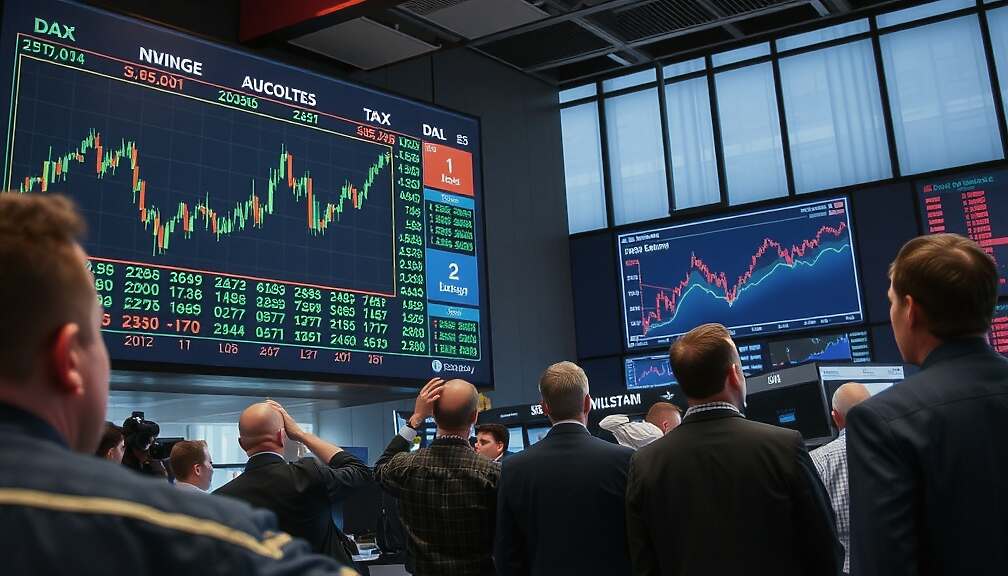
The German stock index opened Monday morning with steep losses. At about 9:30 a.m. the benchmark was calculated at roughly 23,025 points, 2.4 percent below Friday’s closing level. Munich Re, Siemens Healthineers and FMC topped the daily price list, while Siemens Energy, Continental and Infineon were at the bottom.
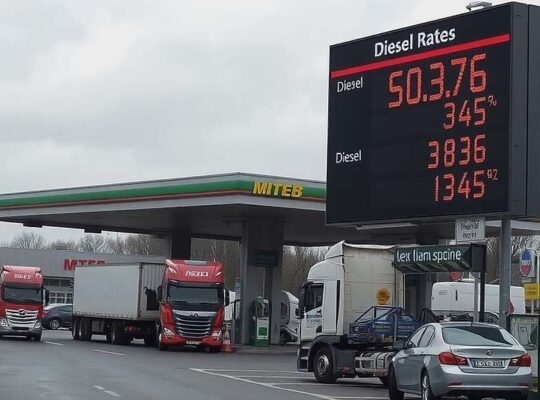
Energy prices continued to feel pressure at the start of the week amid the ongoing war in the Middle East. Brent crude surged, with a barrel of North Sea grade trading at $107.80 per barrel at 9 a.m. German time-a 16.3 percent rise from Friday’s close. Gas prices jumped over 28 percent at the market open, then steadied to about a 14 percent gain. In European wholesale markets, prices for an April megawatt‑hour delivery rose to as much as €68, implying a consumer price of 12-15 cents per kilowatt‑hour, including charges and taxes.
Thomas Altmann of QC Partners said: “As long as the Strait of Hormuz is closed, there is practically no hope for an oil‑price decline. Many Gulf states have already massively curtailed production. Without the Strait of Hormuz, far less oil reaches Asia and Europe”. He added that statistics show no oil tanker has passed through the Strait toward the west in the past seven days-a first since data collection began.
Altmann explained that oil markets are currently matching a relatively steady demand with a markedly reduced supply, driving prices upward. “If oil prices remain at this elevated level for a longer period, it will negatively impact global economic growth” he warned. “The oil price is the point where the Iran war affects the entire world”.
Concerns that the oil shock could fuel a significant rise in inflation are mounting. “Most people expect central banks to counteract with rate hikes” said the analyst. “The probability of an ECB rate increase by October is now priced at 93 percent”. This expectation, in turn, erodes the safe‑haven status of sovereign bonds. “Fears of inflation and further rising rates are driving investors away from government bonds”.