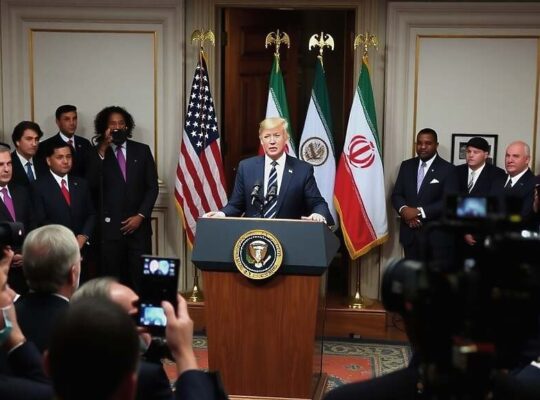
The escalating tensions surrounding Greenland’s potential annexation by the United States are prompting calls for a robust European response, with former Danish Foreign Minister Villy Sovndal warning of dire consequences if Washington proceeds with its ambitions. In an interview with “Der Spiegel”, Sovndal, a prominent figure within the Green Party in the European Parliament, argued that actively deterring the US is now essential to safeguarding Greenland’s sovereignty.
Sovndal sharply criticized President Donald Trump’s dismissive remarks regarding Denmark’s ability to provide security for the island, dismissing the suggestion as a profound misjudgment of the strategic realities and demonstrated investments. He highlighted the significant historical US military presence on Greenland, pointing out the sharp decline from 10,000 troops during the Cold War to a current contingent of only 140. Crucially, Sovndal emphasized that Denmark is currently undertaking substantial defense investments, prioritizing both its own security and that of Greenland. “We fully meet our security responsibility” he stated, directly contradicting Trump’s portrayal of Danish inadequacy.
The former Foreign Minister’s commentary moved beyond mere rebuttal, advocating for a firmer European stance. Sovndal warned that a military takeover of Greenland by the US would represent a catastrophic blow to the NATO alliance and the entire transatlantic partnership. He implied that the potential cost to the United States for such an action would be exceptionally high, demanding a clear and unified European message on the matter.
Furthermore, Sovndal urged wider European participation in a renewed Thule Agreement – a previously existing framework regulating US-Danish military presence on Greenland. He contextualizes this call for expansion within the broader strategic shift occurring in the Arctic, pointing to the region’s increasing geopolitical significance as ice melts and accessibility grows. The former minister’s call represents a significant challenge to current diplomatic approaches, suggesting a hardening of the European position toward a US administration increasingly perceived as willing to disregard international norms and established alliances in its pursuit of strategic advantage in the rapidly changing Arctic landscape. Observers are now scrutinizing how European leaders will respond to Sovndal’s stark warnings and translate his plea for deterrence into concrete policy action.