The German Chamber of Industry and Commerce (DIHK) has issued a warning regarding persistent supply chain issues and elevated energy prices for the German economy, even as a ceasefire is observed in the Iran conflict. According to Volker Treier, the DIHK’s head of foreign economics, the agreement among the warring parties brings some relief to the economy, though he stressed that the overall situation remains highly tense. Treier cited a preliminary analysis from the foreign chambers of commerce (AHKs) globally, which indicated that approximately 85 percent of businesses connected to Germany are directly or indirectly affected by the Middle East conflict.
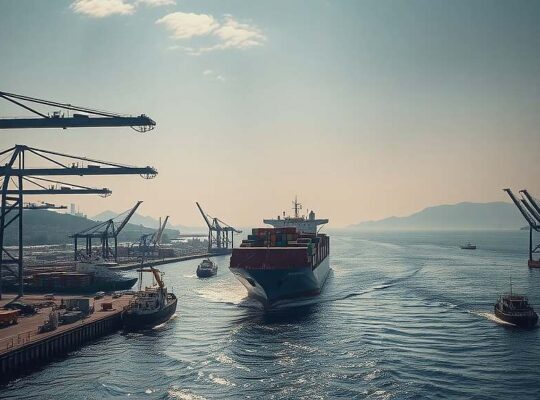
Even if the Strait of Hormuz were to reopen and remain open, experts warned that the disruptions to transport routes and damage to energy infrastructure will have lasting effects. These issues strain global logistics chains, posing a significant problem for the German economy. Consequently, companies should prepare for a sustained higher cost structure.
Treier also pointed out that Germany already faced some of the world’s highest energy costs even before the crisis escalated. Adding to this pressure are significantly increased labor costs, along with record burdens from levies, taxes, and bureaucracy. For these reasons, the DIHK emphasized that they expect the federal government to introduce not only practical, immediate crisis responses but also fundamental structural reforms to alleviate the burden across the entire economy.