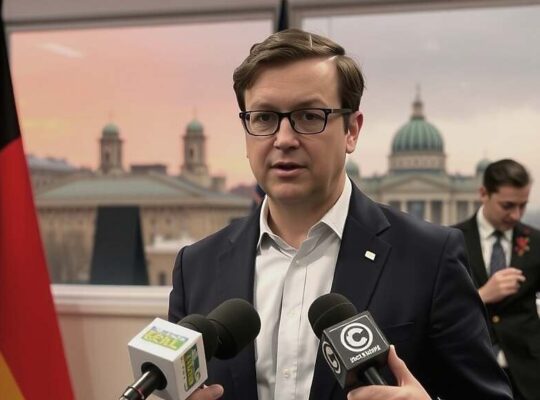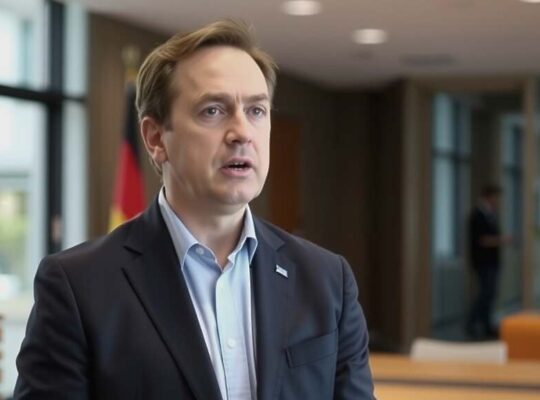
The newly established Federal Ministry for Digital Affairs and Modernization in Germany, spearheaded by CDU Minister Karsten Wildberger, is facing mounting criticism regarding its impact and effectiveness. While Wildberger employs a football analogy – asserting a change in leadership can revitalize a team and lead to victories – the reality, according to observers, paints a picture of incremental adjustments rather than transformative change within German digital policy.
The ministry, formed under the current black-red coalition government, consolidated departments from five existing ministries and the Chancellery. However, despite the ambitious Modernization Agenda approved in October, critics contend that tangible results have been scarce in the preceding six months. This lack of demonstrable progress is fueling skepticism about whether the ministry is genuinely breaking new ground or simply replicating the functions of its predecessors.
Bernd Schlömer, Digital State Secretary of Saxony-Anhalt, voiced a sentiment shared by many, acknowledging the desire for success but lamenting the current deficit in “dynamism and agility”. He questioned whether the consolidation effort has yielded a meaningful shift in approach and outcomes.
Adding to the concerns is Wildberger’s apparent willingness to directly engage with projects spearheaded by his civil servants, including the development of planned administrative apps. While he justifies this hands-on approach as essential for ensuring solutions align with his vision and demonstrating ministerial interest, it raises questions about the role of ministerial oversight and potential for stifling bureaucratic innovation. Wildberger insists he doesn’t need to know every detail, but must understand the work being done; however, some analysts suggest such close involvement could override the expertise of those within the ministry and create bottlenecks in the process, ultimately hindering the desired modernization. The success of the ministry, therefore, hinges not only on demonstrating tangible deliverables, but also on fostering a genuinely agile and innovative working environment that transcends the limitations of its predecessor structures.