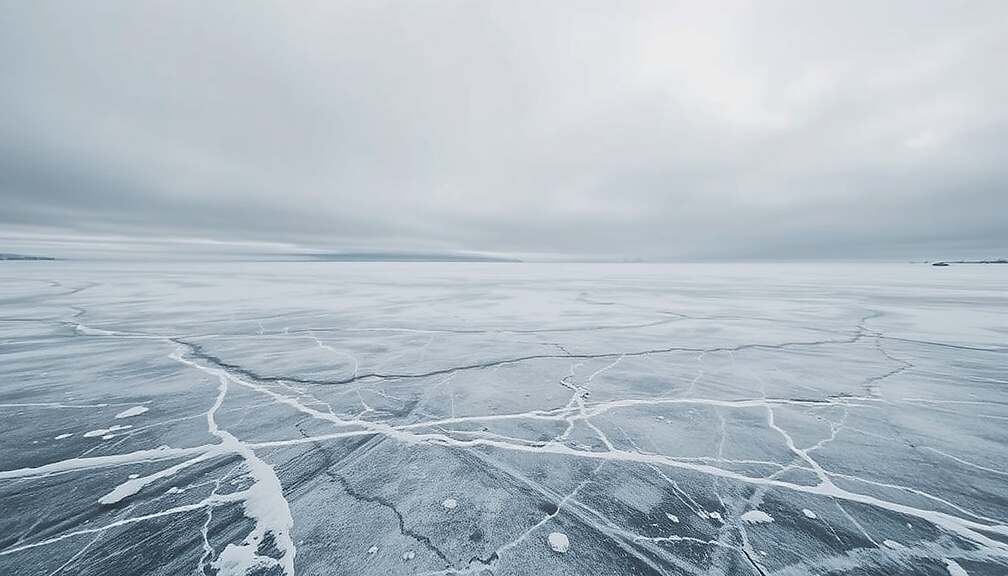
A stark warning has been issued by the German Life-Saving Society (DLRG) regarding the perilous risks associated with venturing onto frozen lakes and bodies of water, despite the current frigid temperatures. Christopher Dolz, a DLRG spokesperson, cautioned in an interview with the “Rheinische Post” that determining the safety of ice formations is exceptionally difficult, emphasizing that sudden ice breakage can rapidly become a life-threatening emergency.
Dolz underscored that even prolonged periods of freezing weather do not guarantee consistently robust ice surfaces. He highlighted the particular vulnerability of children, explaining their limited capacity to assess potential dangers. This observation raises critical questions about parental responsibility and the adequacy of public awareness campaigns targeted at families. The DLRG strongly advises that children be continuously supervised near bodies of water and that parents proactively educate them about the hazards.
The organization’s guidance calls for individuals to only access ice when it has been officially declared safe for doing so. Specific thickness requirements were outlined; standing bodies of water require a minimum ice thickness of 15 centimeters, while flowing water necessitates 20 centimeters. This stringent threshold reflects the unpredictable nature of ice formation and the potential for localised weaknesses, sparking debate amongst local authorities about the enforceability and publicity of such regulations, particularly in areas where ice skating or recreational activities on frozen surfaces are traditionally popular. This caution also draws attention to the potential for increased strain on emergency services should these warnings be disregarded and raises concerns about liability in the event of accidents.