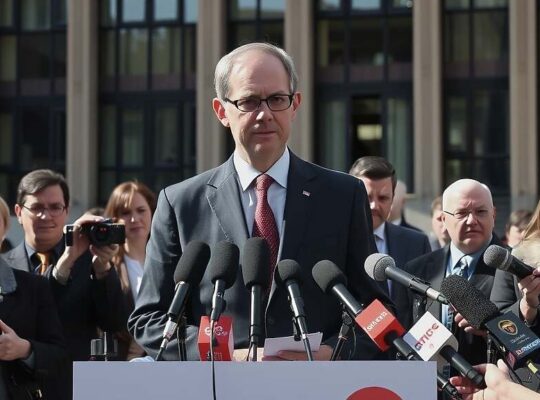
The head of the Federal Association of Statutory Health Physicians (KBV), Andreas Gassen, is pushing for a radical overhaul of healthcare funding, proposing a new system reliant on patient contributions and increased taxation of unhealthy products. Gassen’s proposals, outlined in an interview with the “Rheinische Post”, represent a significant departure from current funding models and are likely to spark considerable debate amidst ongoing anxieties about the financial stability of the German healthcare system.
At the core of Gassen’s plan is the concept of a “practice fee 2.0” a revived version of a system abolished in 2012. He suggests that statutory health insurers directly collect funds from patients, potentially in the form of a quarterly fee of ten euros. Gassen argues that this represents a comparatively low burden, equating it to the cost of a single kebab. He frames the revived fee as a necessary measure, citing the previous system’s contribution of two billion euros annually to health insurance funds. This figure, he notes, significantly outweighs the income generated per patient in specialist areas, such as dermatology, which currently receives around 15 euros per month per patient.
Beyond patient contributions, Gassen is advocating for a suite of tax increases targeting what he describes as detrimental lifestyle choices. He specifically calls for the introduction of a sugar tax, mirroring policies implemented in Scandinavian countries, alongside increases on taxes applied to tobacco and alcohol. Critically, Gassen demands that revenue generated from these taxes be explicitly earmarked for healthcare funding, preventing it from being absorbed into the broader federal budget, a common criticism of current fiscal practices.
The potential impact of the tobacco tax increase alone is substantial. Gassen proposes a mere two-euro increase per pack of cigarettes, projecting an annual yield of approximately seven billion euros. He stresses the dual benefit of such a measure, arguing that it could not only bolster healthcare finances but also discourage youth smoking, a significant contributor to respiratory illnesses, heart attacks and strokes.
Gassen’s proposals reveal a growing frustration within the medical community regarding the sustainability of the current healthcare funding structure. While the suggestions may offer a potential solution to the systemic financial challenges, they also raise questions about equity and fairness, particularly concerning the burden placed on patients and the potential for regressive taxation. The debate surrounding these proposals is likely to be highly charged and their implementation will require careful consideration of their broader social and economic consequences.