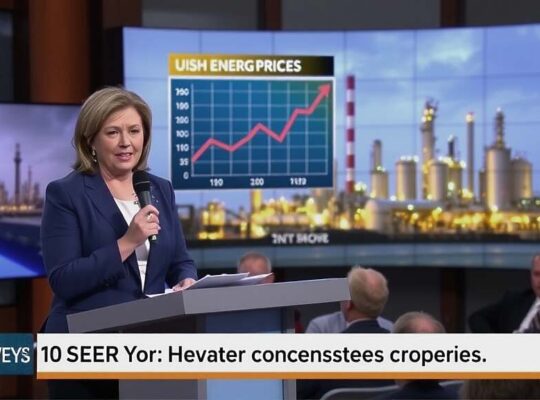
The sudden surge in oil and energy prices has begun to shake the Berlin coalition’s plans for a comprehensive reform package this legislative term.
According to inside information from the “Stern” magazine, the leaders of the Union and the SPD had already reached a pact in confidential meetings. They intended to launch a large‑scale package of reliefs and social reforms in the summer, with financing that would include tax hikes, such as a planned increase in value‑added tax (VAT) at the start of 2027. “In a situation where inflation is driven by higher oil and gas prices, such a move would be unacceptable” a coalition official told the newspaper.
The proposal, once the work of various government commissions concludes, would create a single package aimed at broadening the funding base for statutory health insurance and shifting other healthcare services that fall outside insurance to be financed more heavily by taxes. At the same time, the coalition sought to push through structural reforms in pensions, health insurance, and long‑term care, pairing these with tax‑system reliefs. To finance the reforms, the coalition counted on a rebound in the economy and on an additional VAT hike of one to two percentage points, raising the standard rate to 20 % or 21 %. To soften the impact on the social side, the reduced VAT rate on food would be cut from 7 % to 5 %.
Behind the scenes, the government now anticipates a clear downturn in growth due to the aftermath of the Iran conflict. Over the past week, several crisis meetings have examined scenarios. A forum of economists and senior civil servants met on Friday at the Federal Ministry of Finance to analyze the consequences of rising oil and gas prices. Depending on how long the conflict lasts, the experts predict an additional contraction of at least 0.1 % to 0.4 % compared with earlier forecasts; if prices remain high for more than three months, losses of an entire percentage point could be expected, according to government sources.