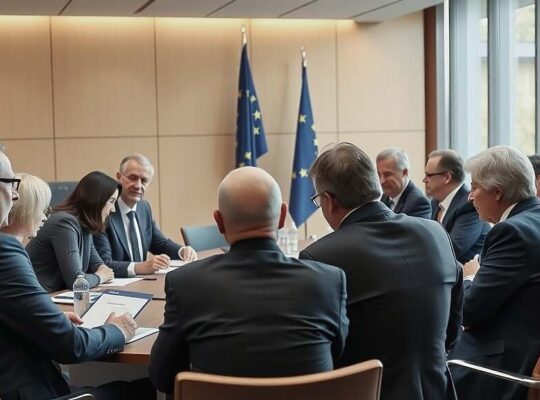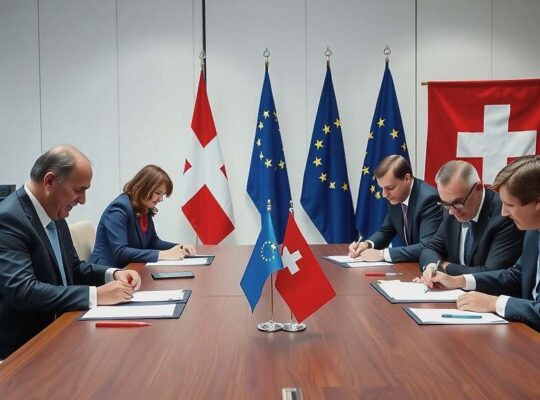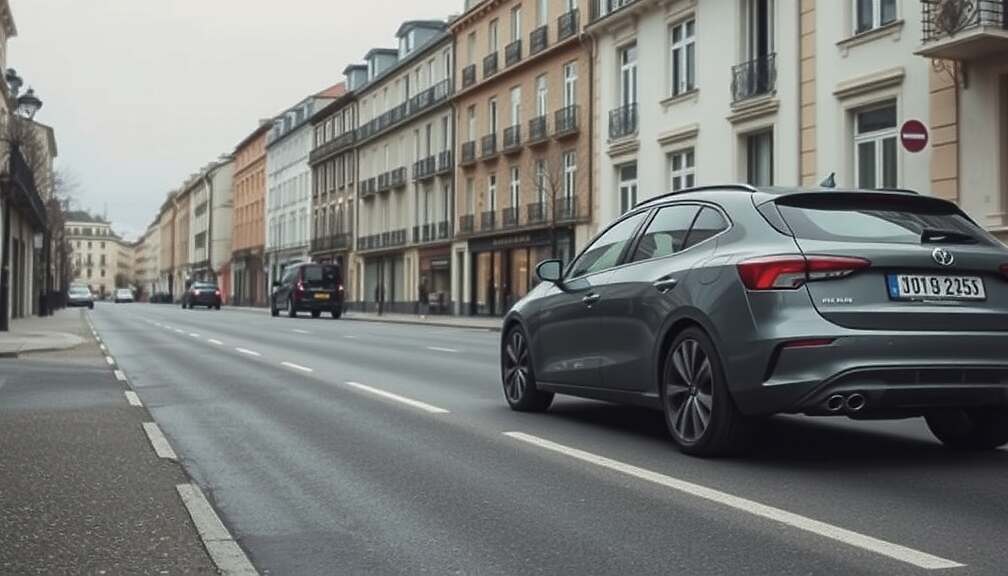
The European Commission is signaling a significant shift in its approach to vehicle emissions regulations, potentially reopening the door for traditional combustion engine vehicles beyond 2035. Sources within the Commission, speaking to the Handelsblatt, indicate a forthcoming “Auto-Paket” that will explore avenues beyond the initially stringent ban on petrol and diesel vehicles. This represents a notable compromise following pressure from member states, particularly Germany.
The softening of the stance comes directly following a letter from German Chancellor Friedrich Merz, addressed to Commission President Ursula von der Leyen, advocating for the consideration of “highly efficient” combustion engines within any revised fleet emission limits. According to Transport Commissioner Apostolos Tzitzikostas, Merz’s appeal was “very positively received” suggesting a concerted effort within the Commission to appease concerns regarding the feasibility and economic impact of the original 2035 deadline.
The emerging policy appears to hinge on the utilization of synthetic fuels, often referred to as e-fuels and advanced biofuels. Commissioner Tzitzikostas emphasized the importance of incorporating “all technological developments” into the new regulations, implicitly acknowledging that complete electrification presents both practical and economic challenges. The Commission is now suggesting that engines running on these lower-emission alternatives could be permitted, effectively circumventing the outright ban.
However, the move has already sparked criticism from environmental groups who argue it undermines the EU’s commitment to climate neutrality and risks delaying the transition to electric vehicles. Critics contend that e-fuels, while potentially reducing emissions, remain limited in scale and raise questions about their overall sustainability considering the energy required for production. The compromise also raises concerns regarding the potential for lobbying from the automotive industry to maintain a continued reliance on combustion technology, potentially sacrificing long-term environmental goals for short-term economic gains.
The “Auto-Paket” is expected to be presented in the coming weeks and its reception will likely be closely watched both within the European Parliament and among member states as the EU wrestles with the complex balance between climate ambition and industrial realities. The decision underscores the political complexity of decarbonizing the transport sector and highlights the ongoing debate surrounding the most effective path to a sustainable and economically viable future for the automotive industry.