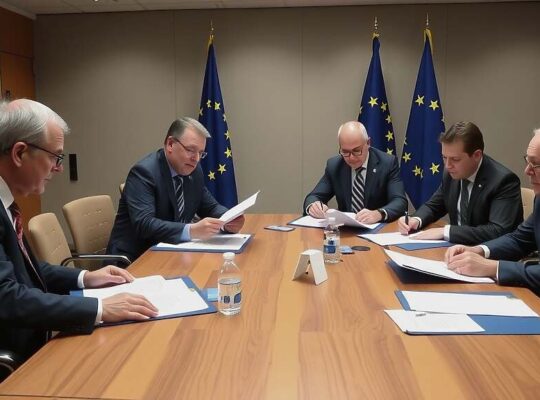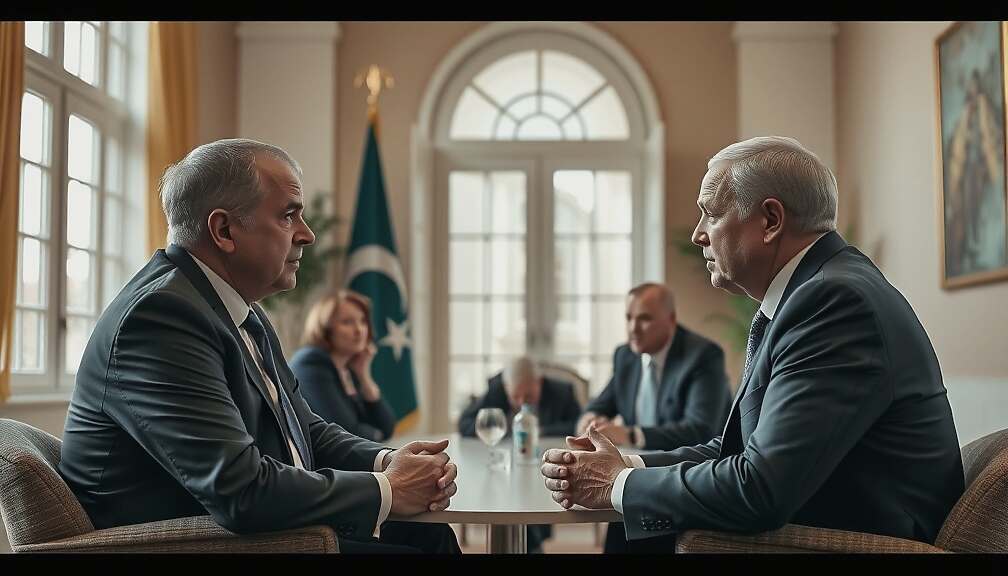
A leading European security expert is warning of a critical lack of coordinated strategy within Europe and the transatlantic alliance concerning the ambitions of a potential second Trump presidency, particularly regarding its renewed overtures towards Greenland. Stefanie Babst, a former chief strategist for NATO and now a political scientist, argues that the current approach of individual statements and reactive diplomacy is demonstrably inadequate when facing a leader seemingly intent on challenging the sovereignty of allied nations.
Speaking to Phoenix television, Babst expressed deep concern over the absence of structured dialogue and strategic planning amongst European nations. She lamented the prevalence of individual diplomatic missions and public pronouncements, advocating instead for a dedicated forum where European policymakers can collaboratively assess and formulate responses to potential destabilizing actions from an administration under Donald Trump. The discussion, she insists, must encompass not just the Greenland issue, but a broader range of potential challenges.
“What I miss is a genuinely coordinated European approach, one that’s both well-aligned internally and demonstrably effective” Babst stated. “The impression I have is that this process isn’t happening within the EU or at NATO.
Babst’s critique extends beyond procedural shortcomings. She directly challenges the underlying assumption that engagement, even through concessions, is the appropriate response to Trump’s actions. Analyzing Trump’s interest in Greenland, she posits that it is not motivated by concerns over Arctic security, but rather represents a deliberate attempt to intimidate and pressure a NATO ally, asserting dominance through what she describes as a “childlike” demand.
“He’s not seeking to improve security in the Arctic; he’s aiming to significantly intimidate a territorial component of a NATO partner, to put pressure on its sovereignty and territorial integrity” she explained. “Europe’s response cannot be a hesitant ‘let’s see if we can accommodate him.’ It must be a firm condemnation of such behavior and a demand for an apology, a necessary prerequisite for resuming serious discussion on critical shared challenges.
The absence of a cohesive European front, Babst maintains, allows Trump to undermine the integrity of the transatlantic relationship and embolden further displays of unilateralism, demanding a profound reassessment of European foreign policy and a renewed commitment to collective security. While she acknowledges the possibility of discussing initiatives like a NATO Arctic mission, she stresses the vital importance of these discussions taking place behind closed doors, followed by a robust and unified European stance.