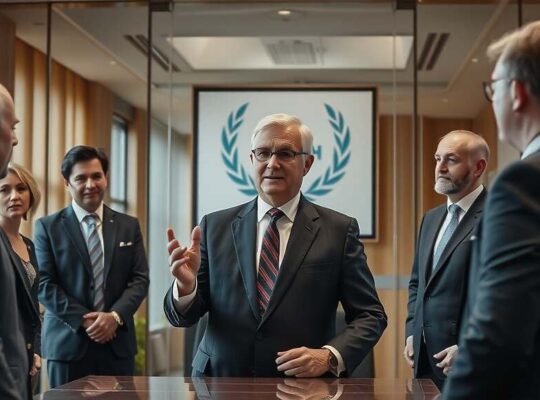
European leaders reaffirmed their unwavering support for Ukraine on Monday, convening in London for a high-profile meeting with President Volodymyr Zelenskyy amidst intensifying pressure from the United States to explore potential peace negotiations. The gathering, attended by German Chancellor Friedrich Merz, British Prime Minister Keir Starmer and French President Emmanuel Macron, signaled a concerted effort to balance diplomatic engagement with continued military and economic assistance to Kyiv.
Starmer characterized the ongoing discussions as representing a “critical phase in peace efforts” underscoring the complexity of navigating potential compromises. Zelenskyy, in his address, emphasized the imperative of maintaining “unity between Europe, Ukraine and the United States” highlighting the geopolitical stakes involved in shaping a viable resolution to the conflict. He implicitly acknowledged the diverging perspectives emerging from different international actors.
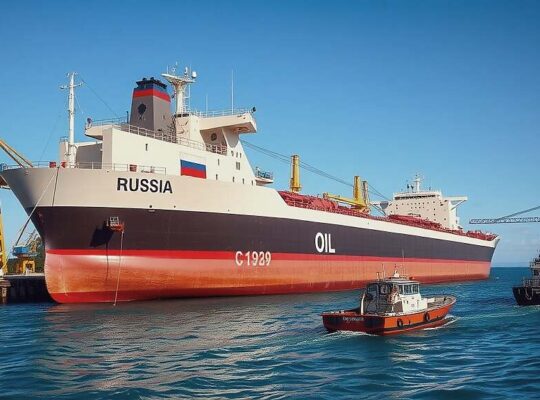
Macron pointed to signs of increasing strain on the Russian economy, particularly in the wake of recently implemented sanctions. This observation suggests an assessment that economic pressure may be a key leverage point in future negotiations, though its effectiveness remains a subject of debate.
However, Chancellor Merz introduced a note of caution, expressing “skepticism toward certain details in documents originating from the United States” concerning potential peace terms. While acknowledging the current moment as potentially decisive, his comments subtly revealed a divergence in strategy regarding the contours of potential agreements. Merz’s remarks suggest a reluctance to fully align with US approaches and a desire to preserve Ukraine’s negotiating position. He further reiterated the statement-now almost a mantra across European political discourse-that Ukraine’s fate is inextricably linked to that of Europe itself, implying a long-term strategic commitment regardless of near-term negotiations.
The meeting underscores a precarious balance for European leaders: maintaining unity while simultaneously managing the evolving dynamics of trans-Atlantic relations and navigating the delicate process of seeking a sustainable path toward peace in Ukraine. The implicit critique of US-led peace proposals, while carefully framed, suggests a growing independence in European foreign policy – a trend that could reshape the geopolitical landscape for years to come.