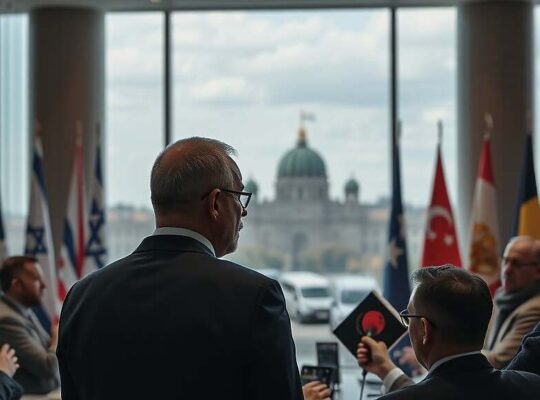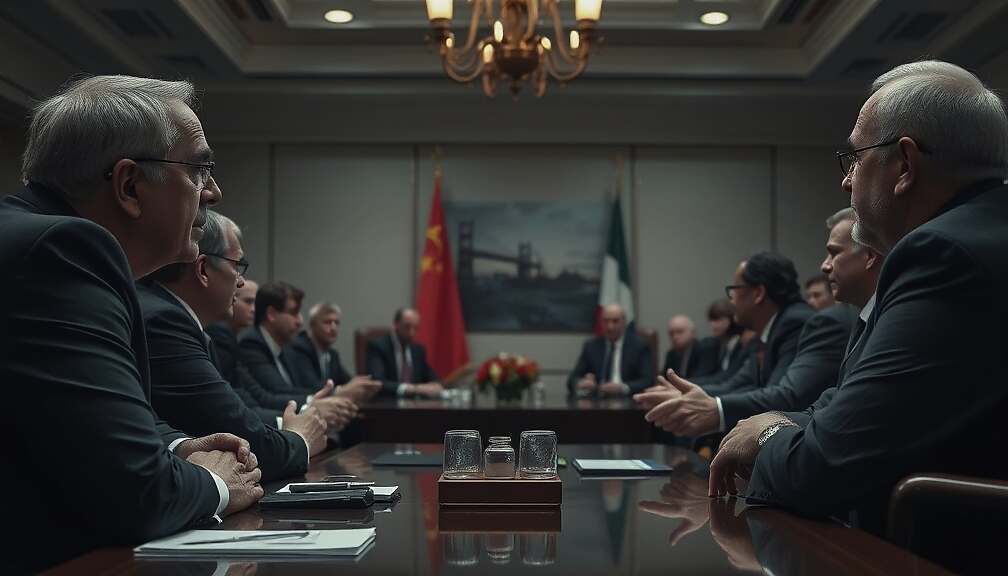
The escalating stalemate in Ukraine is prompting renewed calls for a radical shift in European strategy, with the co-leader of Germany’s Left Party, Jan van Aken, advocating for a high-stakes diplomatic offensive spearheaded by the European Union. Van Aken’s proposal, detailed in an interview with Politico, suggests a joint visit to Beijing by EU representatives and figures like Friedrich Merz, alongside French President Emmanuel Macron, arguing that direct engagement with Xi Jinping is the key to unlocking a potential pathway to negotiations.
The cornerstone of Van Aken’s argument rests on the belief that China, despite its complex relationship with Russia, holds a crucial lever – an invitation that would likely compel Vladimir Putin to the table. He posits that China, having publicly condemned the invasion as a violation of international law and expressing concerns about its damaging impact on global trade, possesses the leverage necessary to pressure Moscow toward a negotiated settlement.
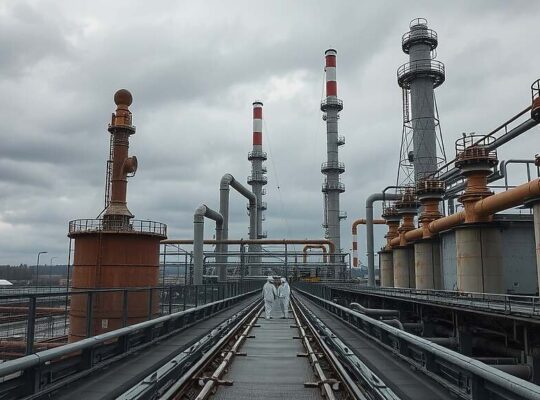
However, Van Aken’s vision is far from a simplistic appeal for dialogue. He emphasizes the continued need for economic pressure on Russia, sharply criticizing the government’s inaction regarding the ongoing practice of “shadow tankers” circumventing sanctions and delivering fuel to Russian ports. His call for intensified economic measures runs counter to some current EU policies that prioritize maintaining a delicate balance between sanctioning Moscow and avoiding broader economic fallout.
Critically, Van Aken reiterates the Left Party’s long-held opposition to military aid to Ukraine, claiming it actively obstructs diplomatic solutions. He dismisses the distinction often made between defensive and offensive weaponry as artificial and irrelevant in practical terms, arguing that prioritizing arms deliveries preempts genuine efforts toward de-escalation.
While acknowledging the necessity of continued communication with Putin, regardless of the challenges involved, Van Aken’s proposal risks accusations of appeasement and draws attention to a widening ideological rift within the German political landscape. The suggestion to prioritize direct engagement with China – a move likely to be met with both cautious optimism and apprehension from Western allies – underscores a growing debate surrounding Europe’s strategic autonomy and its approach to the Ukrainian conflict. The feasibility and potential ramifications of such a bold diplomatic initiative remain a contentious issue, potentially reshaping the contours of the ongoing crisis and its broader geopolitical implications.