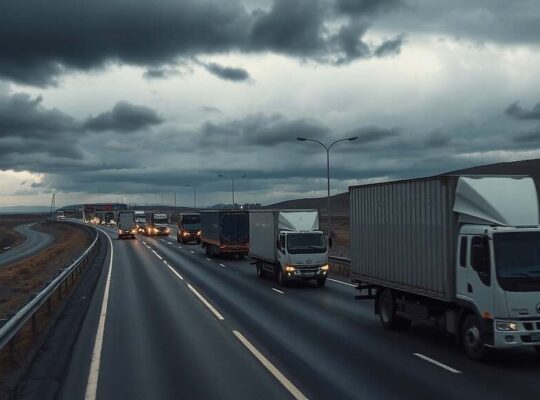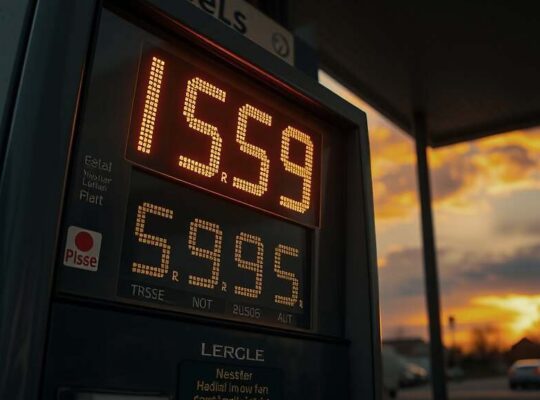
Energy expert Manuel Frondel, from the RWI-Leibniz Institute, is warning against the introduction of a fuel price cap, a measure being advocated by SPD ministers. Speaking to the “Rheinische Post,” Frondel cautioned that policymakers should not attempt to restrict pump price increases through a ceiling. He pointed to the example of Hungary in 2022, noting that a price cap had only offered a superficial benefit to drivers. In Hungary, the cap led to fuel shortages, long queues, limitations on fuel pump sizes, and ultimately caused many gas stations to go bankrupt, resulting in fewer stations and less competition.
The economist estimates that petrol prices could exceed 2.50 euros per liter. However, he noted that prices of 2.50 euros or higher are not ruled out if the current conflict persists and leads to tighter oil supplies. According to Frondel, stability will only return when the Iran-Iraq conflict ends, identifying crude oil prices as the primary current market driver. The recent escalation between the US and Iran, coupled with tensions over the weekend, has further heightened fears of supply disruptions and interruptions to key transport routes, thereby increasing the risk premium in the oil market and subsequently raising fuel prices.