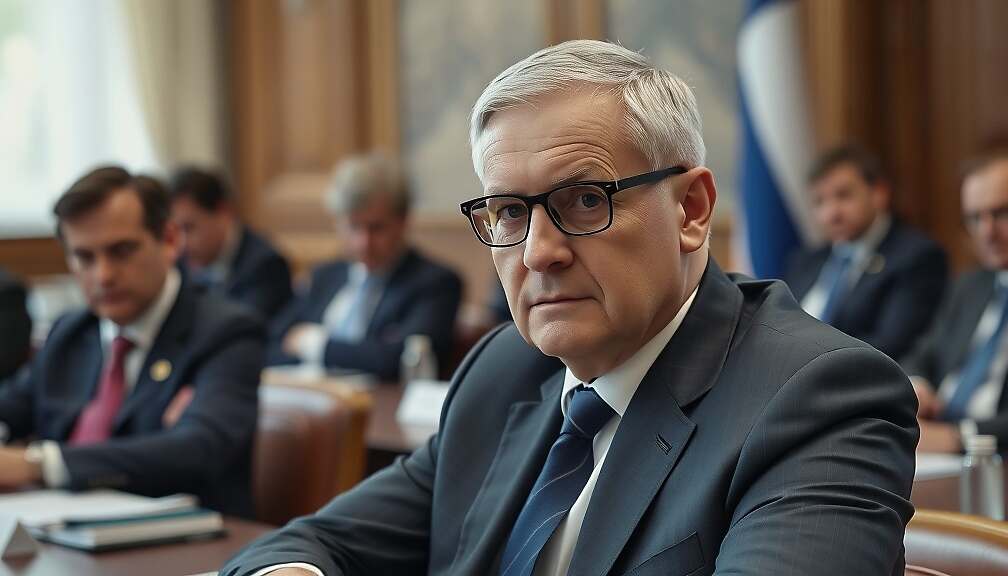
Finnish Foreign Minister Elina Valtonen has called on Europe to firmly maintain its stance of pressure and deterrence in dealing with Russia. Speaking to the “Frankfurter Allgemeine Zeitung”, she asserted that the continent must avoid any reversal of its current course, insisting that a return to the pre-war climate-when Moscow’s behavior was often overlooked-is unacceptable. When questioned about who this warning was directed at, Valtonen responded, “All of us.”
Addressing Russia’s persistent provocations and hybrid warfare strategies, Valtonen emphasized that Finland must not be intimidated. She affirmed the country’s commitment to continuing its path: prioritizing defense and deterrence. Furthermore, she stressed that regardless of earlier hopeful views regarding business or political ties with Russia, the current time is not appropriate for reconsidering any trade or political relations.
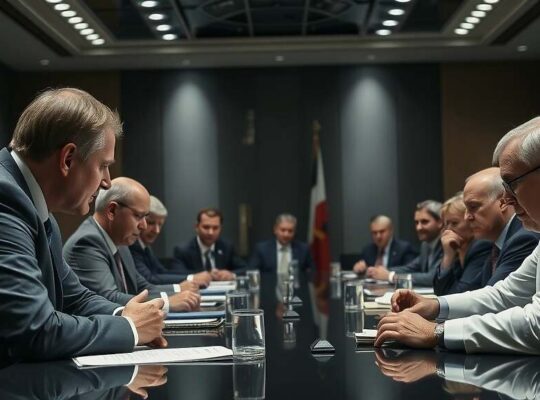
Valtonen cautioned against hasty diplomatic moves regarding potential negotiations with Russia, urging prudence in determining who should represent Europe. While acknowledging that there might be an opportunity for diplomacy, as suggested by German Chancellor Friedrich Merz, she insisted that Europe must first be clear about what it hopes to achieve through such talks before rushing to Moscow.
She reaffirmed that Russia remains steadfast in its maximalist goal: not merely conquering parts of Ukraine, but subjecting the country entirely. “We cannot accept that, and therefore we must not give up the defense struggle for the freedom of Ukraine,” she stated. Regarding discussions, she deemed it “okay” to prepare talks at the bureaucratic level, responding to the ongoing debate about EU Council President Costa reaching out to Moscow. However, she warned that the time is not yet ripe for discussions involving high-level politicians, and the impression should not be given that Europe is desperately seeking peace talks under any circumstances.
Valtonen expressed openness to a leading role for Berlin, Paris, and London (E3) in negotiating for Europe. Nevertheless, she stressed the importance of including representation from Eastern and Nordic countries. She justified this not only because the Nordic nations are major supporters of Ukraine but also because they are directly affected by their borders with Russia and their status as Baltic Sea neighbors.