Flixbus Claims Operational Resilience Amidst Weather Warnings
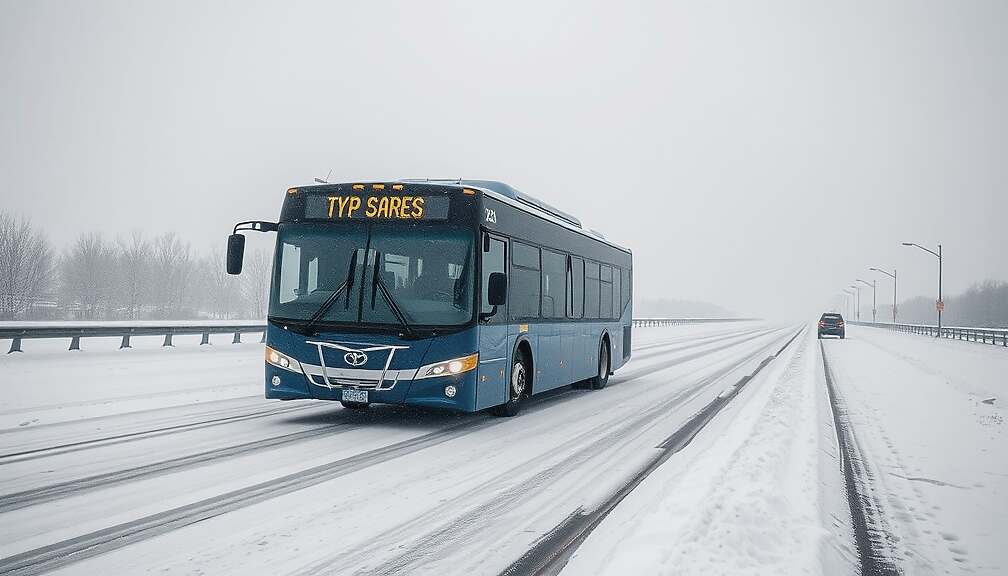
Germany’s largest long-distance bus operator, Flixbus, is asserting its preparedness for the anticipated severe weather conditions impacting the nation, but the pronouncements are accompanied by a backdrop of broader questions regarding infrastructure vulnerability and the effectiveness of reactive adaptation strategies.. While the company maintains that no bus routes have currently been cancelled nationwide, a spokesperson confirmed to the “Rheinische Post” that continuous monitoring of road conditions remains a priority, with adjustments to schedules potentially forthcoming. Similarly, Flixbus’s rail subsidiary, Flixtrain, is reportedly unaffected at present.
The declaration of operational continuity comes as the German Weather Service issued warnings on Thursday forecasting significant disruption to transportation networks due to heavy snowfall, freezing rain and gale-force winds. The potential for widespread disruption raises concerns about the fragility of Germany’s increasingly reliant long-distance bus network, particularly as passenger numbers surge amidst rising costs and limitations on rail capacity.
While Flixbus’s insistence on continued service might present a veneer of stability, critics argue that reactive adjustments to routes – implemented “after” weather events have already impacted travel – are insufficient. The reliance on real-time assessment, while necessary, does not address the systemic issues of road maintenance and winterization preparedness that contribute to vulnerability. The company’s response also highlights the broader challenge faced by infrastructure providers in balancing operational efficiency with passenger safety during periods of extreme weather.
The situation underscores a growing political debate concerning investment in preventative infrastructure measures versus relying on reactive strategies. While Flixbus emphasizes its adaptability, the potential for future disruptions remains a significant factor, both for travelers and the government tasked with maintaining national mobility. The ongoing weather event serves as a stark reminder of the need for proactive investment and a rigorous assessment of the resilience of Germany’s vital transportation arteries.