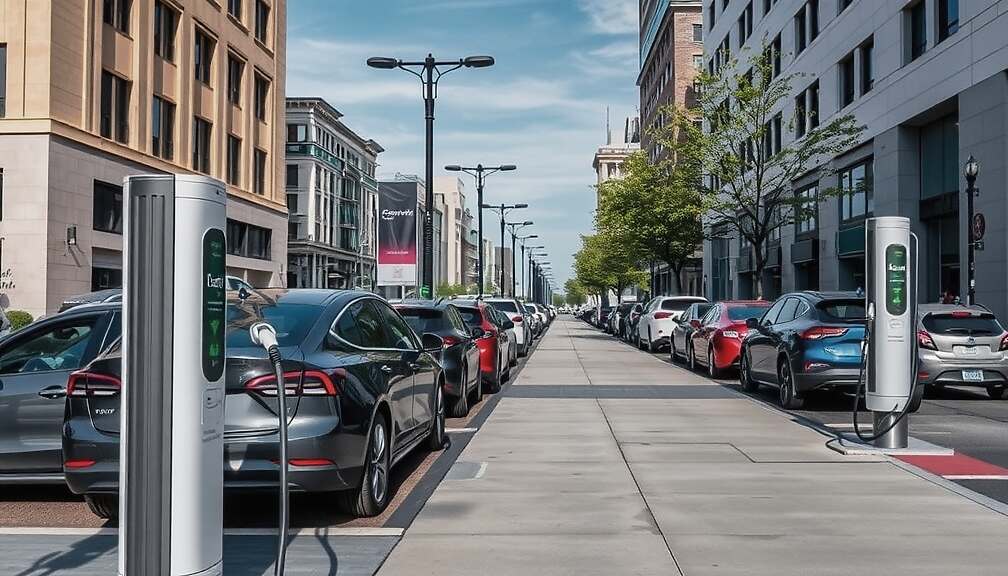
A study by the Fraunhofer Institute for Systems and Innovation Research (ISI) shows that building a functional charging network for electric cars may be cheaper than many expect. According to research published in the “Redaktionsnetzwerk Deutschland” daily (Saturday editions), a funding volume of 500 million euros could prepare up to three million charging points for future use.
The paper argues that low‑interest or interest‑free loan subsidies combined with repayment grants are especially effective. Even a modest amount of direct subsidies can trigger billions of euros in private investment.
The study was commissioned by the think tank “Transport and Environment” (T&E), which champions state subsidies to expand charging infrastructure for tenants in multi‑family dwellings. “Those without a home charging option are at a disadvantage when switching to an electric vehicle” says T&E expert Susanne Goetz. “This mainly affects residents of apartment buildings-often households with moderate or lower incomes”.
Goetz fears that the forthcoming revision of regulations concerning charging stations in resident parking lots will offer little incentive for infrastructure growth. “By doing so, the federal government is cementing a structural imbalance in electromobility. Homeowners in single‑family houses can charge conveniently and cheaply, whereas millions of renters in apartment buildings are left to fend for themselves-permanently” she explained.