A Statistical Ripple in the German Economy
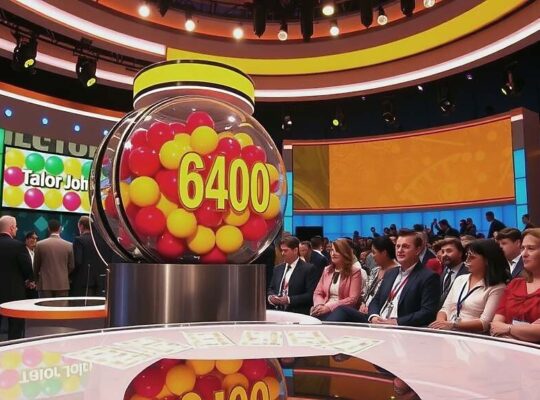
Friday evening saw the drawing of the Eurojackpot lottery, a spectacle of chance that briefly captivated the nation and offers a curious lens through which to examine German economic policy. The winning numbers, released without guarantee of absolute accuracy, were 1, 4, 22, 24 and 18, accompanied by Euro numbers 6 and 10. The odds of securing the top prize, a staggering 1 in 140 million, underscore the improbable nature of such a windfall.
While the immediate focus is inevitably on the fortunate few who might claim the jackpot, deeper considerations arise regarding the lottery’s role within the broader German financial landscape. The absence of income tax levied on lottery winnings, a peculiar status amongst the seven recognized income sources subject to taxation, raises questions about fairness and the potential for unintended consequences.
The exemption, while benefiting winners, creates a unique structural quirk in the tax system. Critics argue that it disproportionately favors those who participate in lotteries, many of whom may be drawn from lower-income demographics. This presents a subtle, yet persistent, challenge to the principle of equitable taxation, a cornerstone of Germany’s social market economy.
Furthermore, the lottery’s inherent addictive potential, explicitly acknowledged in the official announcement, highlights a broader societal responsibility. While regulated and controlled, the widespread appeal of games of chance requires constant vigilance regarding the promotion of responsible gaming and the provision of support for those struggling with addiction. The relatively low tax revenue derived from lottery operations, compared to the immense sums wagered, also warrants a critical evaluation of its overall economic impact. The system, ostensibly designed for entertainment and occasional fortune, carries a delicate balance of economic and social implications, demanding continuous scrutiny by policymakers.