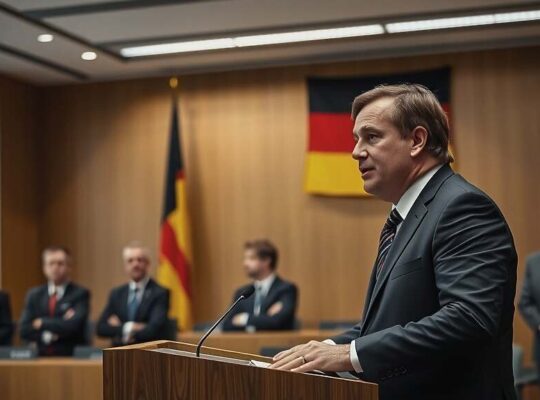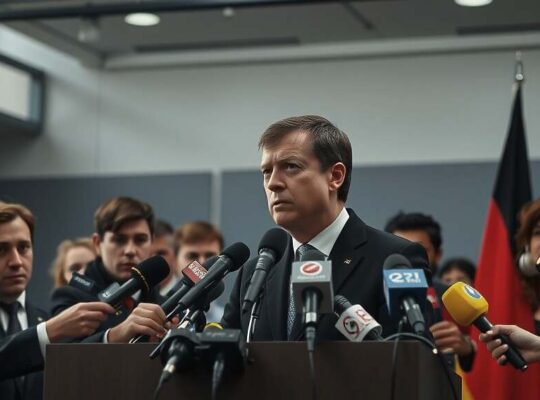
Former German President Joachim Gauck urged the country’s quality media to adopt a more constructive reporting style in order to also highlight democracy’s strengths. He said at a Madsack Media Group event-of which the Redaktionsnetzwerk Germany network is a part-that journalists are “part of a struggle to preserve an order that guarantees they can work as they wish”.
Gauck warned that if independent outlets focus solely on criticizing problems, they risk reinforcing a “culture of mistrust and denial”. He noted that too often he sees the impression that in the media world, inspecting the deficits of democracy is deemed more important than safeguarding it.
He described feeling “civic discomfort” because of the countless investigative reports on shortcomings and mistakes that he receives daily from respectable media. Many people respond indifferently or with anger, and he claims there are already too many citizens who, after hearing negative assessments, begin to doubt the overall quality of society. According to Gauck, the fact that critical journalism continues to flag the fragility of democracy indicates something is amiss.
Gauck calls for more moderation and fairness from quality outlets. He sees criticism as essential whenever democracy and freedom are challenged, as-he cited-the United States under Donald Trump. Yet, in a time when confidence in the good side of things is waning among portions of the population, journalists must live up to their responsibility to democracy. “They are my allies in defending democracy” he said from the viewpoint of a mainstream media consumer. “Therefore I wish for greater respect and a broader appreciation of what truly makes this country and this democracy livable”.
While quality journalism indeed confronts alternative facts and the “obfuscation and darkening of reality” Gauck argued that this alone is no longer sufficient. In a climate of such danger, critical journalism must also tell people what they truly have in this country. To achieve that, new formats need to be created that address the audience not just as passive media consumers but also motivate them to participate actively in society.