After a fatal attack on a Deutsche Bahn train guard, the union of German locomotive drivers (GDL) is putting additional pressure on the railway’s board. In an open letter to long‑distance chief Evelyn Palla, the GDL pointed out that such incidents are “not an isolated, unforeseeable event”. It reports that assaults, threats, and violence against escort staff have been known for years. The board itself has repeatedly discussed these safety problems with the joint works council in monthly meetings, but, according to the union, little has changed, and the existing deployment and staffing concepts cannot be legally maintained after a deadly act of violence.
Unlike regional services, where staffing is largely dictated by the states, the long‑distance network is determined internally by Deutsche Bahn. In summer 2024 the company rolled out its new “1:1 concept”: instead of a train leader plus two, three or four guards per ICE, the plan now allows only one leader and one guard. On some days the union notes “1:0” staffing, leaving one employee solely responsible for operations, service, checks and conflict handling. According to the union, this form of lone work is unacceptable given the known security risks.
The joint works councils of DB Fernverkehr now demand that the board establish a binding minimum staffing level of 1:2 for ICEs with nine or more cars-one leader and two guards. They also call for the elimination of any 1:0 staffing, arguing that solitary work in escort service is incompatible with the existing risk profile and poses an “unacceptable danger to life and health”.
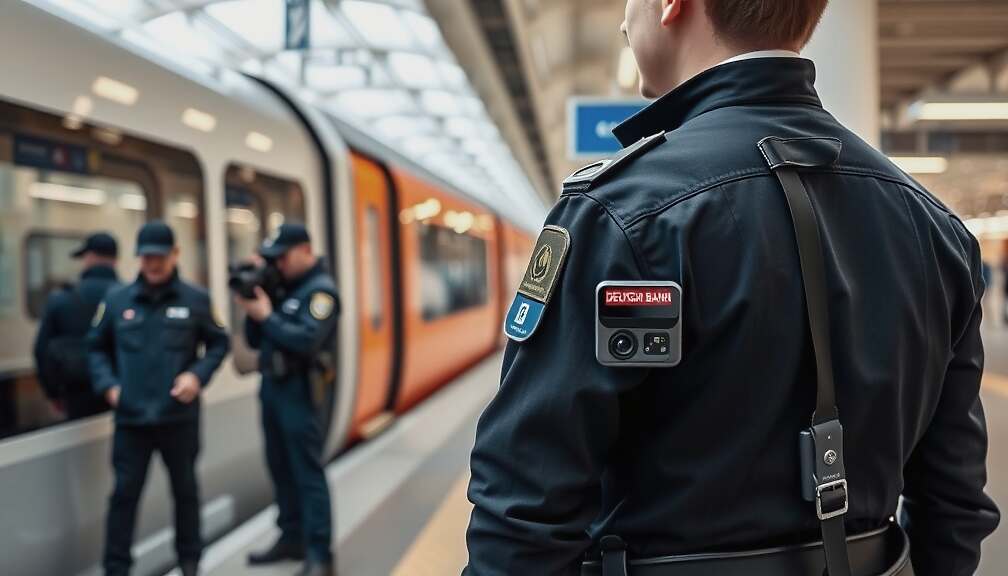
Furthermore, the union requests that presence of security forces be significantly increased, that body cameras be available everywhere and at all times, and that data‑protecting in‑train surveillance cameras be installed.