Germany’s air traffic rebounded significantly in 2025, marking a full recovery from pandemic-induced declines, according to data released Monday by the Deutsche Flugsicherung (DFS), the country’s air navigation service provider. The rebound, however, is drawing scrutiny regarding its sustainability and the increasing challenges posed by drone interference.
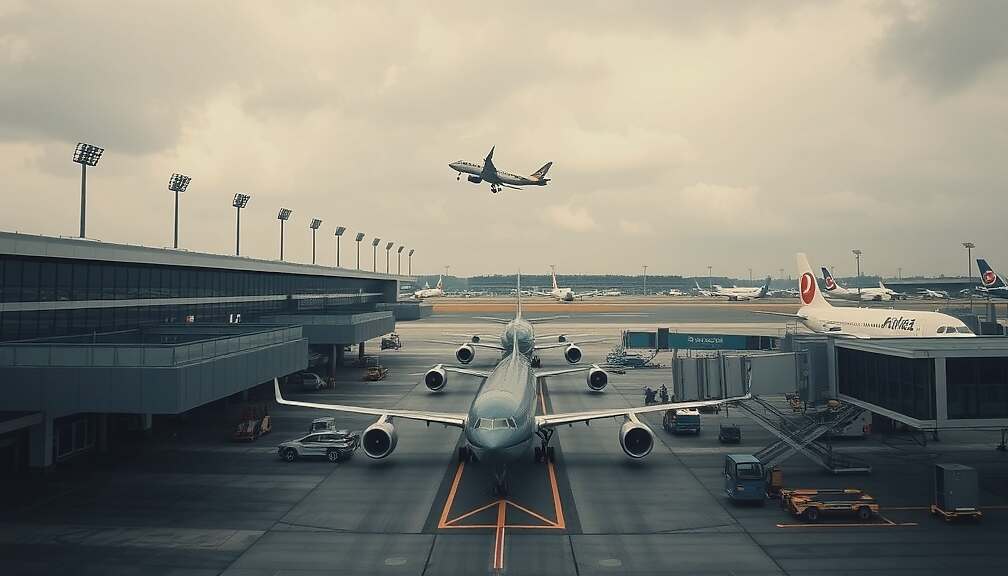
Last year saw approximately three million aircraft movements across German airspace, representing a 3.5% increase compared to 2024. Several days witnessed daily flight volumes exceeding 10,000, with July 18th reaching a peak of 10,220 flights. While the sheer volume indicates a robust economic recovery and renewed travel demand, it also highlights the strain on Germany’s already complex air traffic infrastructure.
Notably, the DFS attributes a considerable reduction in flight delays – decreasing from 50 seconds to roughly 30 seconds per flight – to modernization efforts focusing on heightened efficiency and capacity. These improvements include upgrades to air traffic control systems and refinements in airspace management. However, critics question whether these technological adjustments alone are sufficient to handle continued growth, particularly in light of increasingly congested airspace and the pressure to meet ambitious environmental targets.
The data also reveals a concerning upward trend in drone-related incidents. The DFS registered 225 instances of drone interference in 2025, a rise from the 161 reported in 2024. This escalating problem underscores a broader political debate surrounding drone regulation and enforcement. While the DFS emphasizes preventative measures and increased surveillance, regulatory experts argue that current laws are inadequate and penalties insufficient to deter violations, potentially jeopardizing air safety. The rise in drone incidents also points to a need for enhanced public awareness campaigns regarding responsible drone operation and airspace restrictions.
The DFS’s claims of improved efficiency are being met with cautious optimism. While reduced delays are welcome, the long-term implications of accommodating increasing air traffic volume on the environment and the increasing reliance on technologically intensive – and potentially vulnerable – infrastructure remain significant challenges for policymakers and the aviation sector alike. The drone issue, in particular, requires immediate and comprehensive action to safeguard airspace security and public confidence.