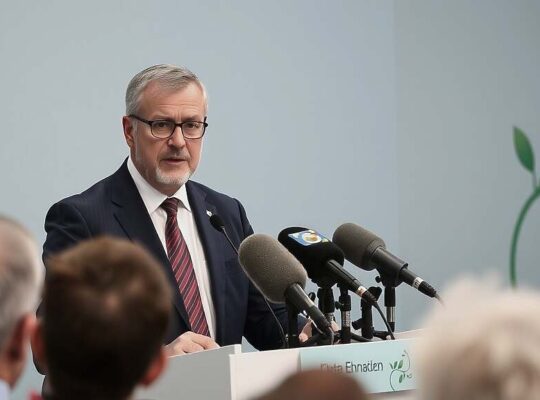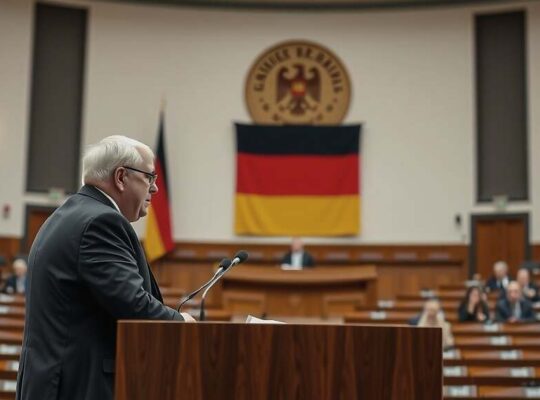
Germany’s automotive industry leader is urging closer collaboration with China, a stance immediately drawing criticism and sparking a debate within the German political landscape as Foreign Minister Johann Wadephul prepares for a visit to Beijing. Hildegard Müller, President of the German Association of the Automotive Industry (VDA), emphasized the necessity of maintaining a “permanent and constructive dialogue” with China in an interview with the Rheinische Post, citing the immense potential for fruitful partnership.
Müller specifically highlighted pressing issues impacting German industry, most notably the constraints on rare earth materials and ongoing disruptions to the semiconductor supply chain, exacerbated by the recent Nexperia crisis. She argued that long-term solutions are essential to guarantee supply chain stability, adding a crucial caveat: any collaboration must be predicated on “fair competitive conditions and a genuine level playing field” – a reference to the growing imbalance perceived to exist between German and Chinese business practices.
However, Müller’s call for engagement has triggered a sharp rebuke from within Germany’s Green Party. Deborah Düring, the Greens’ spokesperson for foreign policy within the Bundestag, voiced concerns that Wadephul’s trip could lead to a repeat of past missteps, drawing a stark comparison to Germany’s previously uncritical approach towards Russia. She warned against prioritizing short-term economic gains at the expense of creating risky dependencies. Düring stressed the importance of raising human rights issues during the visit, demanding Wadephul maintain a critical perspective on the Chinese government.
Adis Ahmetovic, the SPD’s spokesperson for foreign policy, echoed these concerns, advocating for a robust and balanced dialogue, particularly regarding areas such as climate, human rights and security. He warned against the creation of new dependencies, particularly concerning the strategic acquisition of rare earth elements. “Strategic dependencies must not become political pressure instruments” he stated.
The trip, initially postponed in October due to concerns about the perceived inadequacy of the proposed program, underscores the complex and precarious nature of Germany’s relationship with China. Wadephul’s visit presents a critical juncture, demanding a delicate balance between economic imperatives and geopolitical realities amidst growing anxieties over strategic vulnerabilities and the erosion of fair trade practices. The political debate surrounding his travel signals a fundamental disagreement within Germany about the appropriate course of action in navigating the increasingly fraught relationship with Beijing.