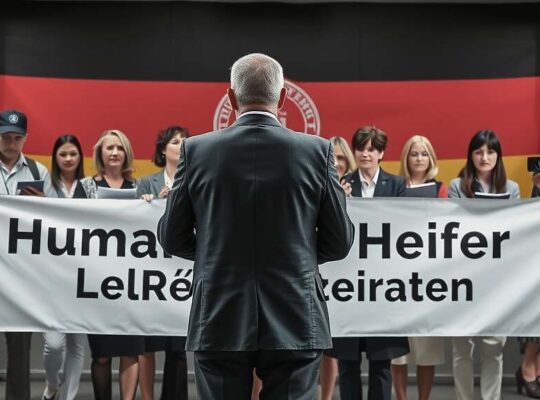
The implementation of the EU’s pay transparency directive is triggering a fierce debate within Germany, raising concerns about bureaucratic overreach and potentially undermining the country’s established industrial relations model. Christoph Ahlhaus, Managing Director of the German Association of Medium-Sized Businesses (BVMW), has cautioned against replicating the pitfalls of previous legislation, specifically referencing the controversial Supply Chain Due Diligence Act.
While acknowledging Education Minister Karin Prien’s stated goal of promoting equitable compensation, Ahlhaus argues that the current approach risks generating an excessive administrative burden for businesses. He warns against “sunbathing in good intentions” while shifting bureaucratic responsibilities onto companies, directly contradicting promises of deregulation. Ahlhaus questions the proportionality of the forthcoming regulations, pointing out that the gender pay gap in Germany, even when adjusted, stands at 16% and arguing that the ensuing paperwork may be disproportionately large given the actual existing gap.
The EU directive (2023/970) aims to enforce equal pay for equal work by demanding greater transparency regarding salary structures. Germany is obligated to transpose the directive into national law by June 2026.
Steffen Kampeter, Managing Director of the Confederation of German Employers’ Associations (BDA), previously condemned the directive as an “attack on collective bargaining agreements” in Germany. This accusation has been fiercely refuted by the German Trade Union Confederation (DGB). Deputy Chairwoman Elke Hannack accused the BDA of attempting to obstruct and dilute the directive with “frivolous arguments.
Hannack maintains that the directive is designed to bolster, not undermine, the tradition of collective bargaining by addressing wage discrimination. She criticizes the existing national pay transparency law as “largely ineffective” further alleging that the BDA actively lobbied for weak regulations during its initial legislative process. Hannack emphasized the need for robust rules, stating, “We live in the 21st century – and because equal pay for women and men is evidently not yet a given, we need effective rules.
The unfolding debate highlights a deepening divide between employer organizations, concerned about regulatory burdens and potential impacts on existing agreements and trade unions advocating for forceful measures to accelerate progress towards pay equity. The coming months will be crucial in determining how Germany navigates the implementation of the directive and whether it will truly deliver on its promise of increased transparency and fairness in the workplace, or instead become another source of bureaucratic frustration for German businesses.