The Institute of German Economics (IW) has found that the economy can expect a similar level of sales this carnival season as in the previous year, according to a study reported by the “Rheinische Post” in its Monday edition.
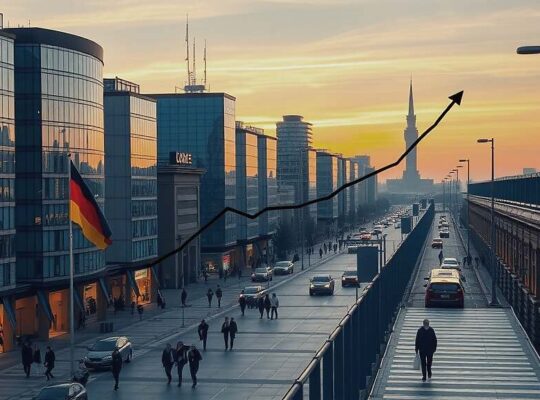
Despite the notably shorter calendar period for this year’s carnival (11 November 2025 to 18 February 2026), the analysts estimate nationwide revenues of €2 billion-of which €850 million comes from Cologne alone. Cologne’s share exceeds 40 % of total sales, underscoring the city’s central role as a key economic driver during the carnival.
Overall sales are roughly €100 million lower than last year’s, which was 115 days long-15 days longer than the current season. This decline is attributed to the early Easter holiday of 2026, which shortens the carnival period.
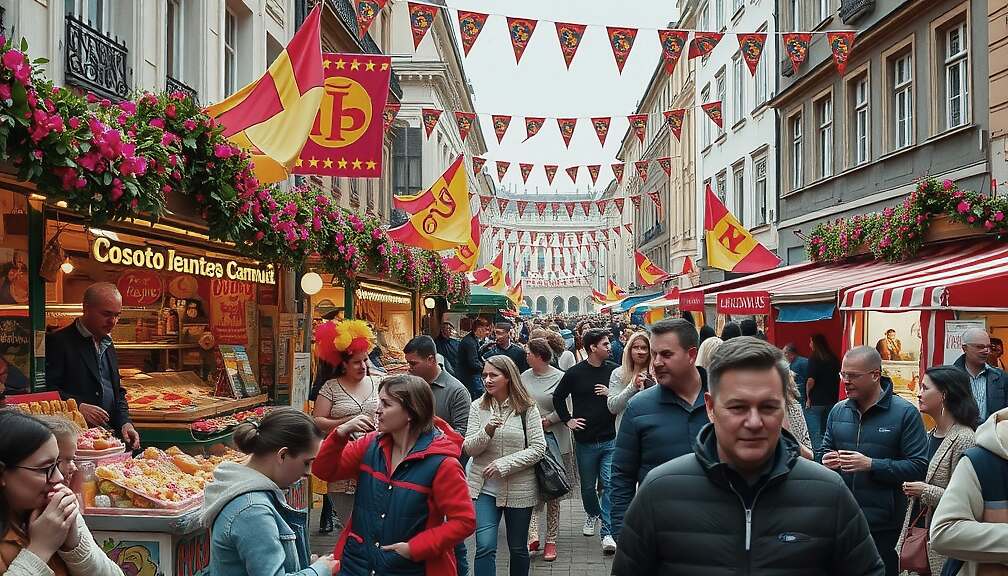
Sector‑by‑sector, the IW figures show hospitality topping the chart: €900 million is projected to flow into restaurants, cafés and other food and beverage outlets. Retail is also strong, with sales of €400 million expected from costumes, candy (Kamel) and other carnival goods. Transport-buses and trains-is forecast to generate about €290 million in revenue, while accommodation is projected to bring in around €210 million. Tickets and the construction of carnival floats account for an additional €162 million, according to the analysts.
The data also reveal a sharp rise in accommodation prices for carnival visitors in Cologne. During the main carnival days, a single night in Cologne costs, on average, almost €90 more than in the comparable period-an increase of about 66 %. In cities such as Bremen or Rottweil, prices rise by just over ten %, whereas Düsseldorf and Mainz experience a slight decline. This pattern reflects the fact that Düsseldorf and Mainz attract mainly regional guests, whereas Cologne draws a substantial number of visitors from across Germany and abroad.