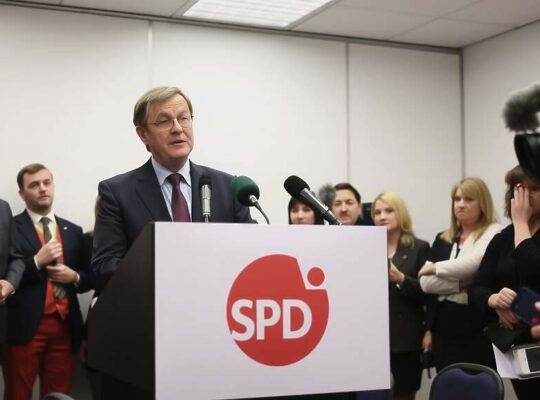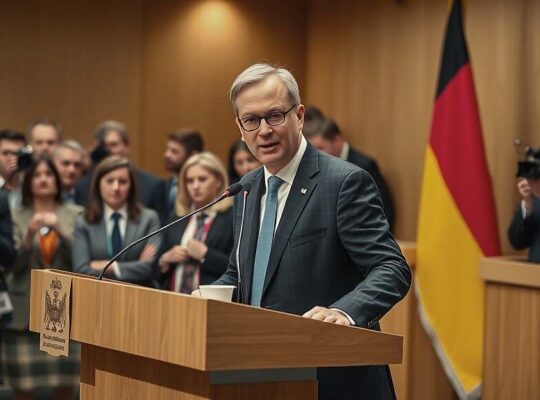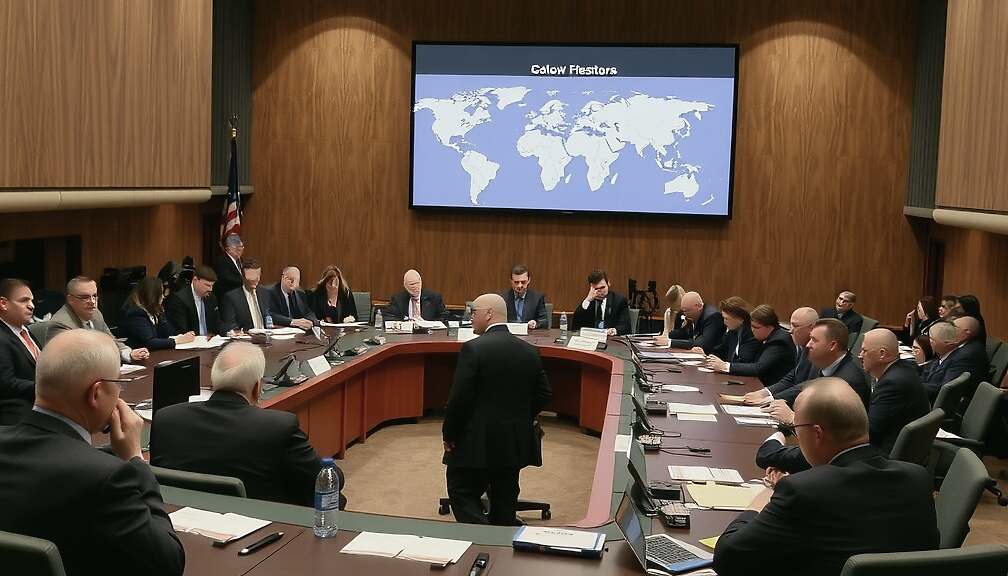
The Union and the SPD reached an agreement in the coalition committee on Wednesday evening to reduce transparency rules and launch an “Agenda for resilience and greater sovereignty”.
They agreed that federal and state authorities should review the publicly available geodata on critical infrastructure and other security‑relevant information and, where possible, restrict or limit it if doing so is sensible and necessary for public safety and order. Protection of critical infrastructure must always take precedence over blanket transparency of sensitive data.
The federal government also plans to lobby for a similar change in publication obligations at the European level and to introduce concrete measures that raise protection levels, accelerate repairs, and ensure emergency supplies. At the same time, the economy-especially the power sector-must become more resilient.
Bundeskanzler Friedrich Merz said that Germany needs to move away from broad transparency toward resilience. “The protection of critical infrastructure should come before the wish for transparency” he noted.
In discussing the proposed agenda, the coalition stated that a few major powers are currently vying for influence, resources, and technological leadership. Germany and Europe must become stronger, and any form of strength-whether military or technological-ultimately relies on economic performance and the capacity of workers and employers. Sovereignty, he added, comes from avoiding unilateral dependencies. “If we do not strengthen our sovereignty, we become vulnerable and lose competitiveness” Merz warned. Vice‑Chancellor and SPD leader Las Klingbeil echoed this sentiment, saying Europe must become so strong that it never has to lower itself before any other country.
SPD Chair Bärbel Bas, who also serves as Minister of Labour, called for heightened protection against deepfakes ahead of the state‑parliament elections. “We already see cyberattacks and foreign influence attempts; that’s why we will address this issue again in the next coalition committee meeting” she said. “It is vital for strengthening our democracy”.
CSU Chief Markus Söder praised Merz’s approach to the U.S. government at the World Economic Forum in Davos, describing the mix of clarity and prudence as having helped Germany. He urged a realistic stance toward the United States, noting dependencies in defense, technology and intelligence. Söder concluded that Germany should avoid trade conflicts, boycott calls or similar measures, and instead rely on free trade and established rules.