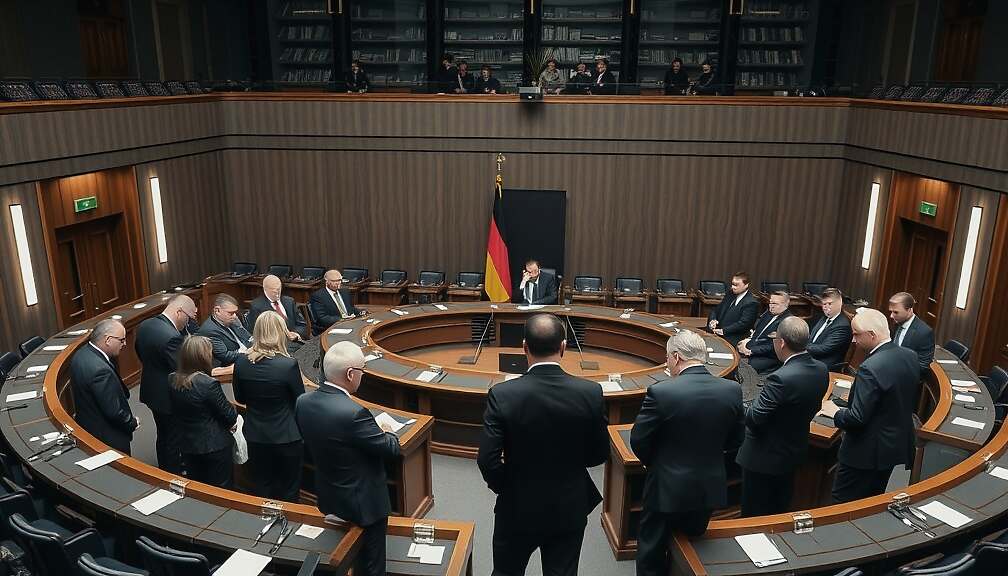
The Union and the SPD appear to have settled the last sticking points in the reform of the Bürgergeld. According to the “Stern” citing insiders within the coalition, the bill is set to be approved by the Bundestag on Thursday morning, ending a major point of friction between the parties.
In the final parliamentary round only technical matters remained. Job centres will now have more leeway to reintegrate recipients into work than the cabinet draft originally allowed. In hardship cases, the new maximum rent ceilings will be applied more flexibly-at least when children live in the household. Conversely, penalties for missed appointments will be tightened: job centres may now demand an official medical certificate, not just a general sick note, and employers will face harsher sanctions for misuse of social benefits. The last points of dispute were negotiated by Union caucus leader Jens Spahn and SPD caucus leader Matthias Miersch.
The reform introduces swifter sanctions and restores a stronger preference for job placement over vocational training. After three missed appointments, payments-including housing assistance-will initially be suspended. Before benefits are entirely cut off, recipients will have the opportunity to be heard in person. Regulations on dwelling size and rent limits will become stricter. The new basic security measure is expected to be granted federal approval in March, and the law will come into force on 1 July 2026.