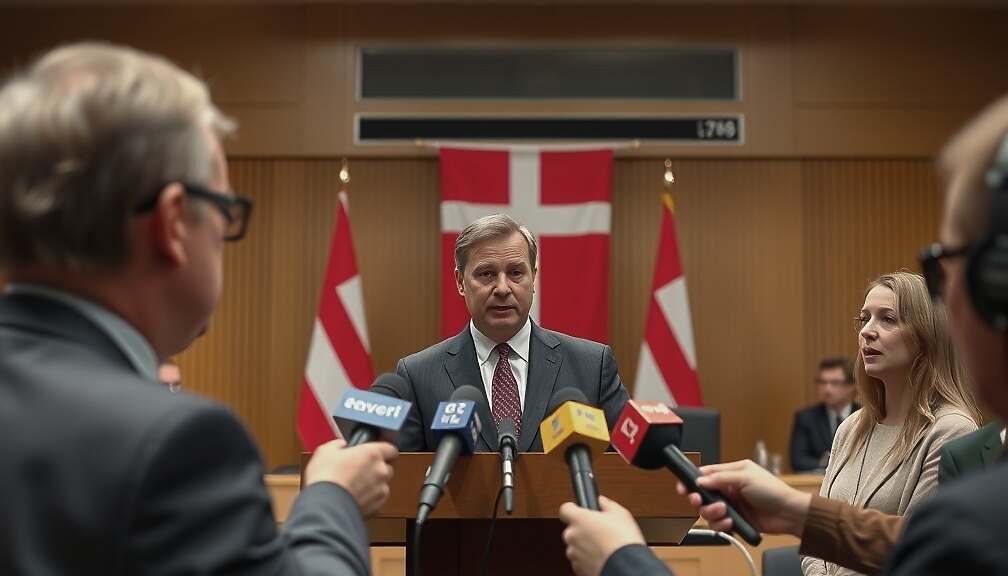
Monika Schnitzer, a leading economist, has criticized the federal government for a lack of reform will. In an interview with “Welt am Sonntag”, she said the government “continually chases its own demands and the necessary decisions”. She accused the CDU, CSU and SPD of a “cardinal mistake” – entering both the federal election and coalition talks without concrete reform ideas, and instead forming a commission for all major projects.
Schnitzer pointed out that proposals for the social systems-especially the pension scheme and the health insurance system-have lain on the table for a long time, yet decisions keep being postponed. To now say that state elections mean no action is “a bad signal”.
Regarding pensions, she reiterated long‑standing reforms: backing away from early retirement options, limiting the growth of pension increases, and tying the retirement age to life expectancy with a gradual, modest rise. She also demanded a “consistent implementation of the originally planned hospital reform”.
Clemens Fuest, president of the Ifo institute, called for budget repairs by cutting subsidies in the housing sector. He argued that many energy subsidies are superfluous and create large externalities, for example subsidies for heat pumps and insulation. Builders benefit from lower heating costs, and he claims that should be a sufficient incentive to properly insulate homes. He also noted that other minor expenditure items, such as the building‑savings allowance and the subsidy for child building support, are unnecessary.
In the short term, Fuest proposed two immediate savings measures: 1) reduce all subsidies that are not yet legally binding by one third, and 2) impose a hiring freeze in the public sector outside the national defence arena.